Why Indians Are Increasingly Adopting Credit Cards To Pay?
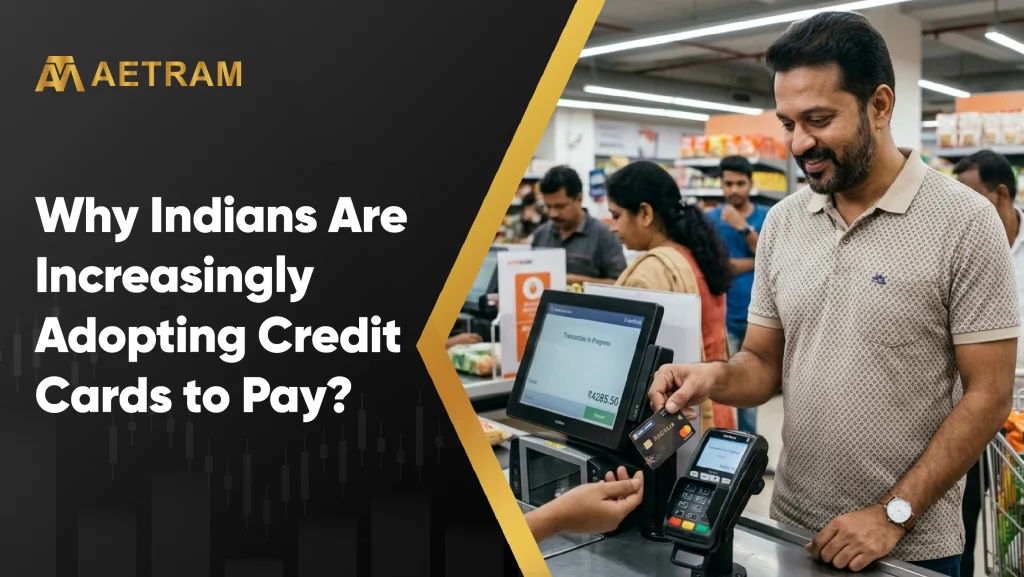
Cash used to be king in India when it came to spending and purchasing products but the situation has changed in the last few years. The Reserve Bank of India‘s latest data shows the country crossed 119.44 million outstanding credit cards by April 2026, growing over 8% year-on-year.
Monthly spending on credit cards touched ₹1.97 lakh crore in April 2026 alone and it had peaked even higher to ₹2.19 lakh crore during the March financial year-end rush. These aren’t just numbers on an RBI bulletin. They point to a genuine behavioural shift.
India is a country long known for its cash-heavy, debt-averse consumer habits but that has changed. Indians are now swiping, tapping, and scanning its way through daily purchases. Be it groceries, paying rent, buying white goods or gold, flight bookings, etc. many Indians who have more than one credit card are paying through them. There is not a single factor for this, but a combination of infrastructure, incentives and evolving financial attitudes coming together at the same time which we will explore in this blog.
UPI Integration Changes Everything
Among various developments, the one which has quietly transformed credit card adoption in India has been the linking of credit cards with UPI. Once credit cards became usable through UPI’s QR-code network, they stopped being reserved for big-ticket purchases and started being used for everyday spends like a ₹150 auto ride, a ₹40 tea stall bill, a quick grocery top-up.
RuPay credit cards linked to UPI have made this shift possible even at small merchant outlets that never had card machines to begin with. This is a big deal in a country where a large share of retail still happens through small, unorganised shopkeepers. These days credit is no longer something you pull out for emergencies but has become a part of routine spending. That single change in plumbing has probably done more for card adoption than any marketing campaign could.
Rise of Tier-2 and Tier-3 Adoption
For years, credit card ownership in India was popular in metropolitan cities and urban centres like Mumbai, Delhi,Chennai and Bengaluru. That scenario is changing quickly. However, when public sector banks started focusing on credit card business and started to expand their business specifically in Tier-2 and Tier-3 markets, the number of users in India saw a jump. The banks used local branch networks and partnerships to reach first-time cardholders.
Further, fintech companies started targeting young, digitally savvy individuals both in big and smaller cities who may not have deep banking relationships but are comfortable transacting online. This is arguably the more interesting growth story here and not more cards for the same wealthy segment. There has been a genuine widening of the customer base across different age groups and income groups who may now get better access to formal credit in India.
Rewards, Cashback and Convenience
There is one more important reason for the rise in credit card use among Indians. The cashback, airport lounge access, fuel surcharge waivers, travel points, etc. have become real decision-making factors, not just marketing add-ons. This has been a talking point among cardholders and non-cardholders and the reason many prefer paying by card over cash or debit. These people also compare which card gives them maximum benefit based on lifestyle, travel, etc.
As Indian consumers are extremely value-conscious, this matters more in India than it might elsewhere. A credit card that effectively pays you back some percentage of your spending is an easy sell and with zero extra effort is a real deal for consumers. This is in contrast to a debit card that offers nothing in return. Co-branded cards tied to e-commerce platforms and travel portals have also made rewards feel more tangible and real as well as tempting for consumers to buy a new card or upgrade an existing card.
No-Cost EMI Reshapes Spending
The “no-cost EMI” option has quietly become one of the biggest reasons Indians choose credit cards for larger purchases — phones, appliances, festive-season shopping. Splitting a ₹40,000 purchase into six manageable instalments, without visible interest, feels far less intimidating than paying the full amount upfront.
This has changed the psychology of big purchases. Consumers aren’t necessarily spending more than they can afford; they’re simply choosing to spread out payments in a way that suits monthly cash flow. Retailers and e-commerce platforms have leaned into this heavily during sale seasons, which in turn pushes more first-time buyers toward getting a credit card just to access these EMI deals.
Building Credit Score, Digital Trust
There’s also a quieter, more long-term motivation at play: credit score awareness. More Indians today understand that a healthy credit score affects their ability to get a home loan, a car loan, or even a favourable interest rate later in life. Using a credit card responsibly — spending within limits and paying on time — is one of the simplest ways to build that score.
This is a notable cultural shift. A generation that once treated any form of borrowing with suspicion is now viewing a credit card less as “debt” and more as a financial tool that, used well, actively works in their favour. Digital trust has grown alongside this — as tokenisation, OTP-based authentication, and app-based spend tracking have made cards feel safer and more transparent than they used to.
Fintech Co-Branded Cards Surge
New-age card issuers such as Slice, OneCard, Kiwi and similar companies have entered the market with slicker apps, instant digital issuance, and simplified reward structures that skip the complexity of traditional card products.
These fintech companies often target younger users who may not qualify for premium bank cards but are technologically literate and want to have a credit card to meet their spending through a faster, modern and technologically advanced app.
Traditional banks have also taken a clever and practical step by partnering with e-commerce and travel platforms for co-branded cards that come with sign-up bonuses and category-specific cashback. This competitive intensity, unusual for what used to be a fairly conservative banking product category, has pushed the whole market to innovate faster — which ultimately benefits the consumer choosing between options.
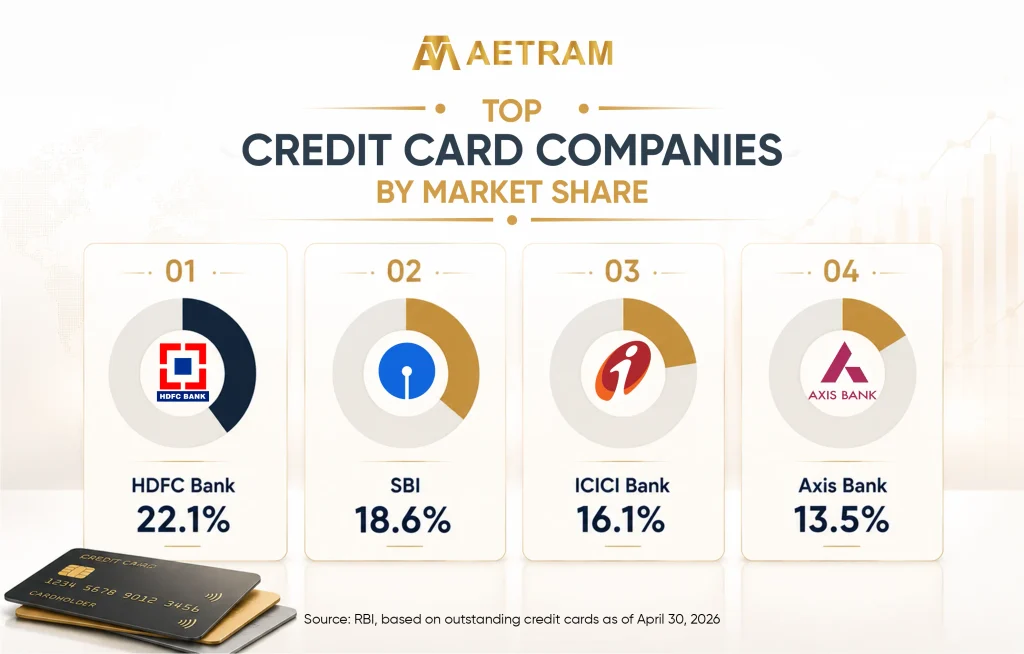
E-Commerce Fuels Everyday Usage
E-commerce remains the single largest spending category on Indian credit cards, and it’s easy to see why. Online shopping, food delivery, and OTT subscriptions are inherently card-friendly transactions — quick, contactless, and often bundled with instant discounts for card payments.
As online retail continues to penetrate deeper into smaller cities, this category will likely keep expanding its share of overall card spending. Every festive sale season now doubles as a stress test for the credit card ecosystem, with issuance and spending both spiking sharply around September–October before settling into steadier growth the rest of the year.
Risks: Debt Traps and Delinquencies
None of this growth comes without caution flags. Credit card interest rates in India remain among the highest in the world, often in the 36–42% per annum range if dues aren’t paid in full. Rising card balances alongside growing issuance has led to increased industry commentary around delinquencies, and banks are visibly tightening risk controls in response.
A meaningful share of first-time users also don’t fully understand how interest and late fees are calculated, which can turn a convenient payment tool into an expensive debt trap if balances are carried forward repeatedly. As adoption widens into new, less credit-experienced segments, financial literacy has to keep pace. Otherwise the same convenience that drives adoption can just as easily drive stress.
What This Means for Consumers
The larger takeaway is that credit cards in India are no longer a niche, urban, high-income product. They are becoming a mainstream payment method driven by UPI integration, EMI flexibility, rewards, growing comfort with formal credit. This has resulted in reaching a much wider, younger and more geographically diverse set of users than before.
From a consumers’ perspective this is a positive shift, provided the credit card is used as a payment convenience rather than a source for borrowing. Paying the full statement amount every month, keeping utilisation reasonable and treating rewards as a bonus rather than the main reason to spend are simple habits that keep the benefits of this trend firmly in your favour.
Frequently Asked Questions (FAQs)
Why are credit cards becoming popular in India?
UPI integration, EMI options, cashback rewards, and rising credit score awareness have made cards a convenient everyday payment tool, not just a big-purchase option, across both metro and smaller cities.
Is using a UPI-linked credit card safe?
Yes. UPI-linked cards use tokenisation and OTP authentication, similar to standard UPI transactions, making them as secure as regular digital payments when used through official banking apps.
Does using a credit card improve my credit score?
Yes, if used responsibly. Paying bills on time and keeping credit utilisation low builds a strong repayment history, which positively impacts your CIBIL score over time.
What’s the biggest risk of relying on credit cards?
Carrying forward unpaid balances attracts high interest, often 36–42% annually. Without discipline, convenient spending can quickly turn into accumulating, expensive debt.
Are Tier-2 and Tier-3 cities driving credit card growth?
Yes. Banks and fintechs are actively expanding there, and these markets are now among the fastest-growing segments for new credit card issuance in India.