How UPI and Instant Checkout Changed Spending Behaviour?
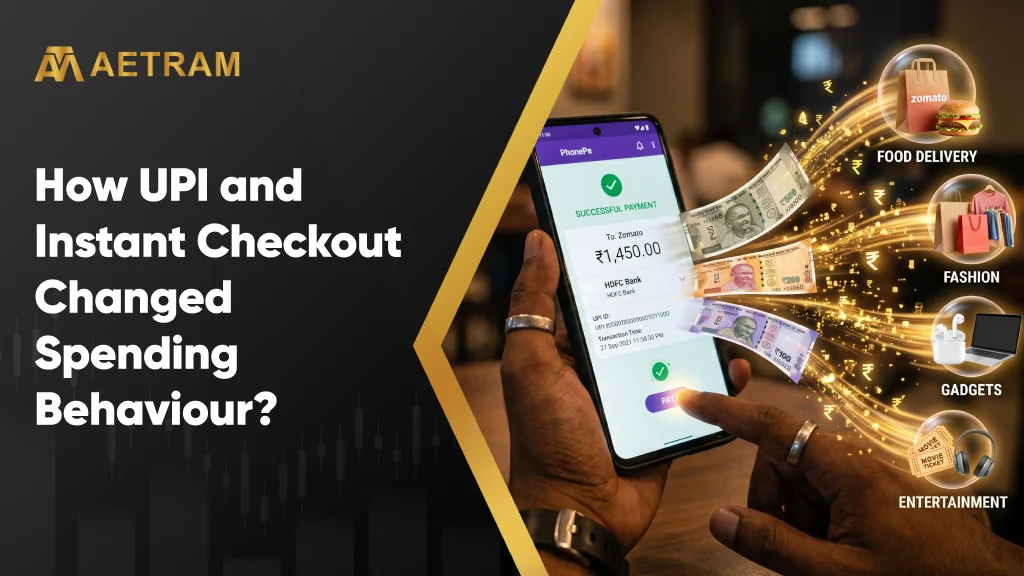
Making payments couldn’t have been simpler. Whether it’s through the use of UPIs, card details, digital wallets or one-click payment options, payments which would take several minutes earlier can be made within seconds. While such ease has revolutionized our payment processes and the whole shopping experience, it has also altered the way we view and handle spending. Many individuals now find themselves spending more quickly than ever before.
The Change from Spending with Cash to Digital Payments
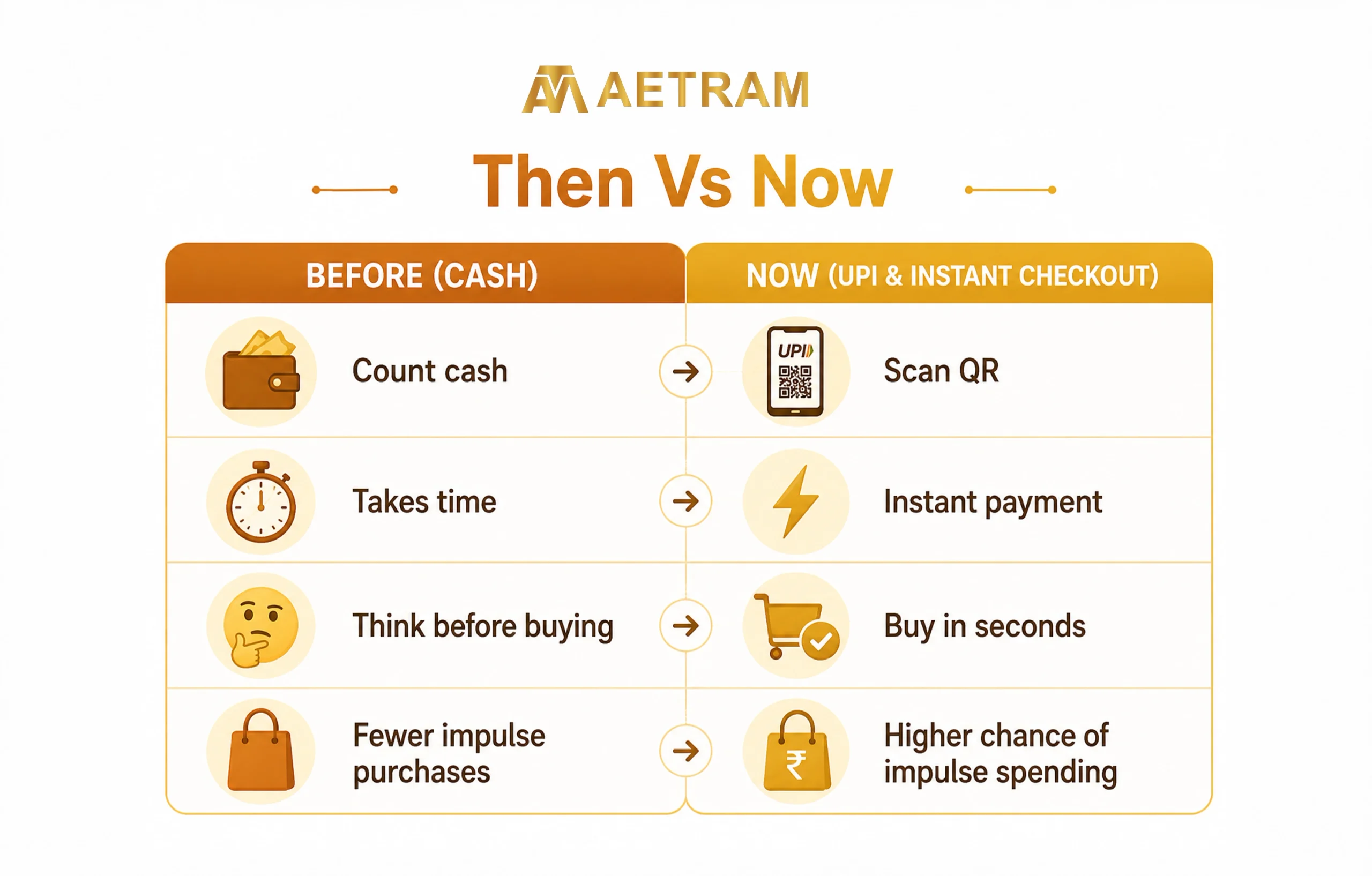
Spending with cash meant that we were always aware of our spending habits. We were aware of every penny being taken out of our wallets during purchases. This physical act of spending has been eliminated in digital payments, where all one needs to do is scan their credit card or click a button. As a result, we end up paying without fully considering what we’re buying.
Convenience leads to more transactions
Payments have been made quite convenient through the UPI system. No matter what the purpose of the payment is, be it for buying groceries ordering food, payment of electricity bill or shopping, everything is done in an instant manner. While this may be quite time-saving, it makes things quite effortless as well when it comes to making a transaction.
Transactions involving smaller amounts are ignored
One of the biggest changes that have taken place due to instant payments is that it has led to more purchases. Buying a coffee worth ₹100 or ordering food worth ₹200 or simply making an online purchase of something worth a few thousand rupees might not amount to much. However, because of the ease involved in making payments, one tends to forget how much money one ends up spending.
Instant Gratification Is the Order of the Day
Technological advancements have reduced the time between having an urge and acting upon it. In such a case, once someone develops an urge to buy something, they place their orders and pay immediately. Impulse purchases could be a result of lack of time to think about whether one needs whatever they are buying.
Consciousness Is Important
The issue is not necessarily with UPI and digitized payments as a payment option. These systems have greatly revolutionized the payment system and brought about convenience. The major concern is how one can exercise consciousness when making payments. Monitoring expenditures, checking bank statements and creating expenditure limitations can play a critical role in ensuring that one does not spend beyond one’s means.
Achieving a Balance
Digitization of payment methods is irreversible and there is nothing wrong with using such platforms. What one should do is strike a balance between being convenient and disciplined in terms of finances. Setting a budget and saving money should also help one achieve this kind of balance.
Convenience Must Not Become an Excuse for Mindless Spending
UPI and the ease of payment have simplified payments like never before. On the flip side, they have transformed spending behaviour in the sense that spending now comes without any psychological inhibitions. The trick lies not in avoiding their use but in being conscious about the way they impact your spending decisions. Convenience is important, but financial consciousness leads to accumulation of wealth.
Connect with Aetram if you want to develop smarter spending habits and stronger financial discipline.
FAQs
1. How has UPI changed spending habits?
UPI has made payments faster and easier, which can sometimes lead to more frequent and impulsive spending.
2. Why do digital payments feel different from cash?
Digital payments remove the physical act of handing over money, making spending feel less noticeable.
3. Do small UPI transactions affect finances?
Yes, frequent small transactions can add up significantly over time and impact savings goals.
4. Is UPI responsible for overspending?
Not directly. Overspending usually happens when convenience is combined with a lack of spending awareness.
5. How can I control spending while using UPI?
Track expenses regularly, set budgets, review transactions and avoid making purchases purely out of convenience.