What are Upper Circuit and Lower Circuit in Share Market?
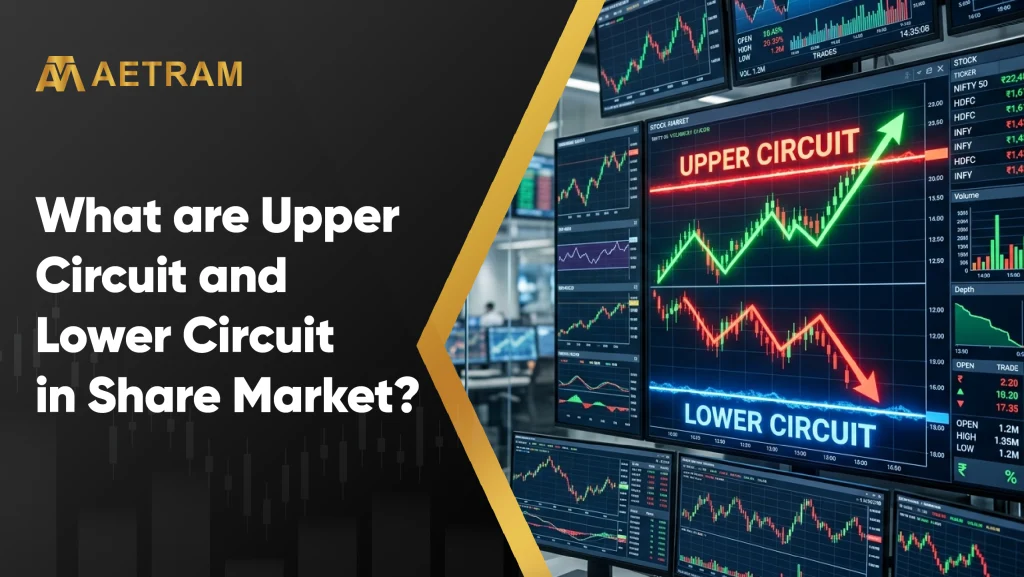
The stock market operates with continuous price changes which create an environment of perpetual price volatility. Stock exchanges use upper circuits and lower circuits as regulatory tools to establish price limits which protect investors from experiencing abrupt market fluctuations. The rules determine daily stock price movement limits which help the market maintain stability throughout the trading day. Both beginner and experienced investors need to comprehend these concepts because they determine which trading options investors should select and which market trends investors should observe.
What are Circuit Limits?
Circuit limits, which stock exchanges refer to as price bands, establish specific price boundaries that stock prices must follow throughout each trading day. The limits establish the highest and lowest prices that stocks can reach during a trading day. The stock price must remain within these limits because any attempt to exceed them will result in either trading restrictions or temporary market shutdowns which stop excessive price movements. The mechanism creates trading conditions that maintain fairness while stopping traders from making panic-induced buying or selling decisions.
What is an Upper Circuit?
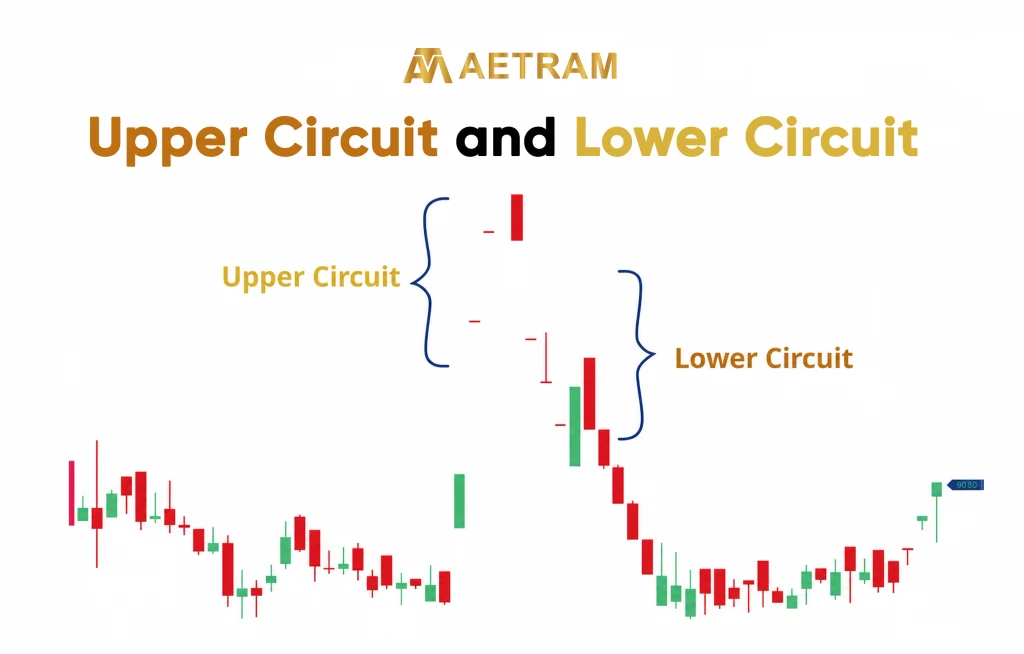
An upper circuit defines the maximum trading price which a stock can achieve throughout one entire trading day. The stock reaches this boundary when it stops trading at any price above this value for the rest of the trading day. A stock usually reaches the upper circuit when there is strong buying demand and very few sellers in the market. When positive company news emerges together with strong earnings results and government policies that benefit the company and market conditions that encourage buying the stock price will increase because investors buy the stock aggressively.
The upper circuit price for the next trading day will be ₹110 when a stock closes at ₹100 with a 10% circuit limit. The stock price reaches this point because it stops increasing after the stock reaches this price point. Buyers can still place orders to buy the stock at the upper circuit price but actual trades will not happen until sellers decide to sell their shares.
What is a Lower Circuit?
A lower circuit defines the minimum stock price which a stock can reach during a trading session. The stock price establishes this boundary which prevents further decrease for that particular trading session. Markets experience lower circuits when there exists intense selling activity together with minimal buying activity. Investors sell their shares during negative company news or poor financial results or regulatory problems or market panic. The next trading day lower circuit for the stock which closed at ₹100 with a 10% circuit limit will establish its lower circuit at ₹90. The stock establishes this boundary which prohibits trading below this price until the session ends.
How Circuit Limits are Determined?
The calculation of circuit limits takes the previous day’s stock closing price as its basis. The exchanges establish these limits as a percentage of the stock price at that particular time.
In the Indian stock market, common circuit limit ranges include:
- 2%
- 5%
- 10%
- 20%
The exact percentage depends on factors such as the stock’s liquidity, volatility, and market category.
For instance, highly volatile or small-cap stocks may have wider limits, while stable and frequently traded stocks may have tighter limits.
Why are Upper and Lower Circuits Important?
Upper and lower circuits play a crucial role in maintaining market discipline. Their main purposes include:
- Preventing extreme volatility in stock prices
- Protecting investors from sudden losses or speculative bubbles
- Avoiding market manipulation by large investors
- Allowing traders time to assess news and market conditions before making decisions
By controlling sudden price movements, these limits ensure a more stable and orderly trading environment.
What Investors Should Remember?
The stock exchanges use upper circuits and lower circuits as their main regulatory instruments which they use to manage unexpected stock price changes. The upper circuit sets the maximum price a stock can rise to in a day, while the lower circuit defines the lowest price it can fall to. These systems provide investor protection while they work to decrease panic trading and sustain financial market stability. The circuit limits system helps traders and investors by providing them with tools for better risk assessment and better stock trading decisions.
If you’re looking to build confidence in the stock market, reach out to Aetram.