Basics of Algorithmic Trading
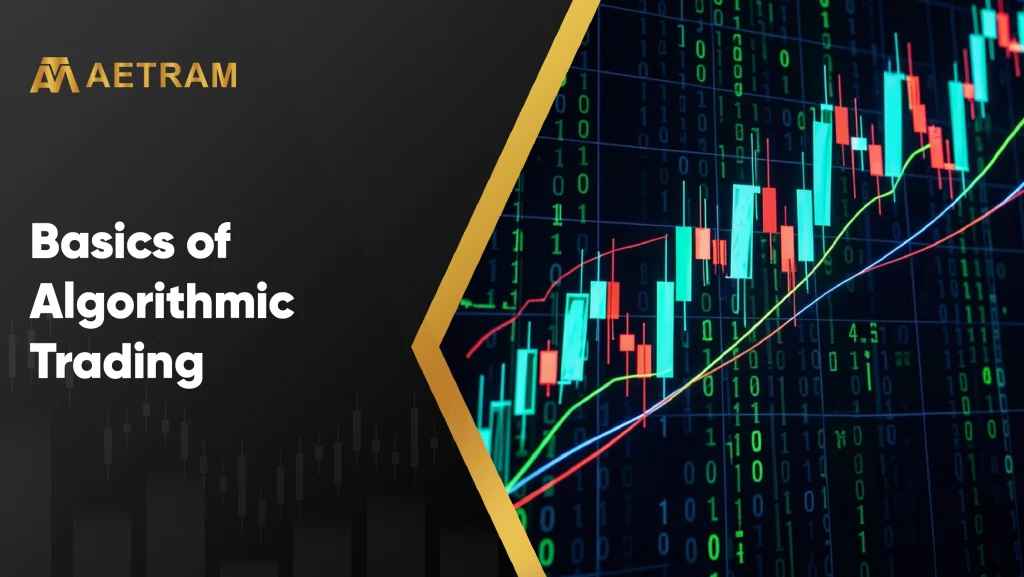
Financial markets have undergone complete transformation because of technological advancements. Traders used to call brokers or operate trading terminals to execute their orders. Computers now perform automatic trade execution for most trading activities. Traders use computers to execute trades according to predefined rules through this trading approach. The term describes a technical concept but its basic meaning remains accessible to everyone. The system uses computer programs to execute trades which follow established trading rules. Basic knowledge about algorithmic trading shows you operational details of modern markets and it explains why organizations need fast automated systems.
What is Algorithmic Trading?
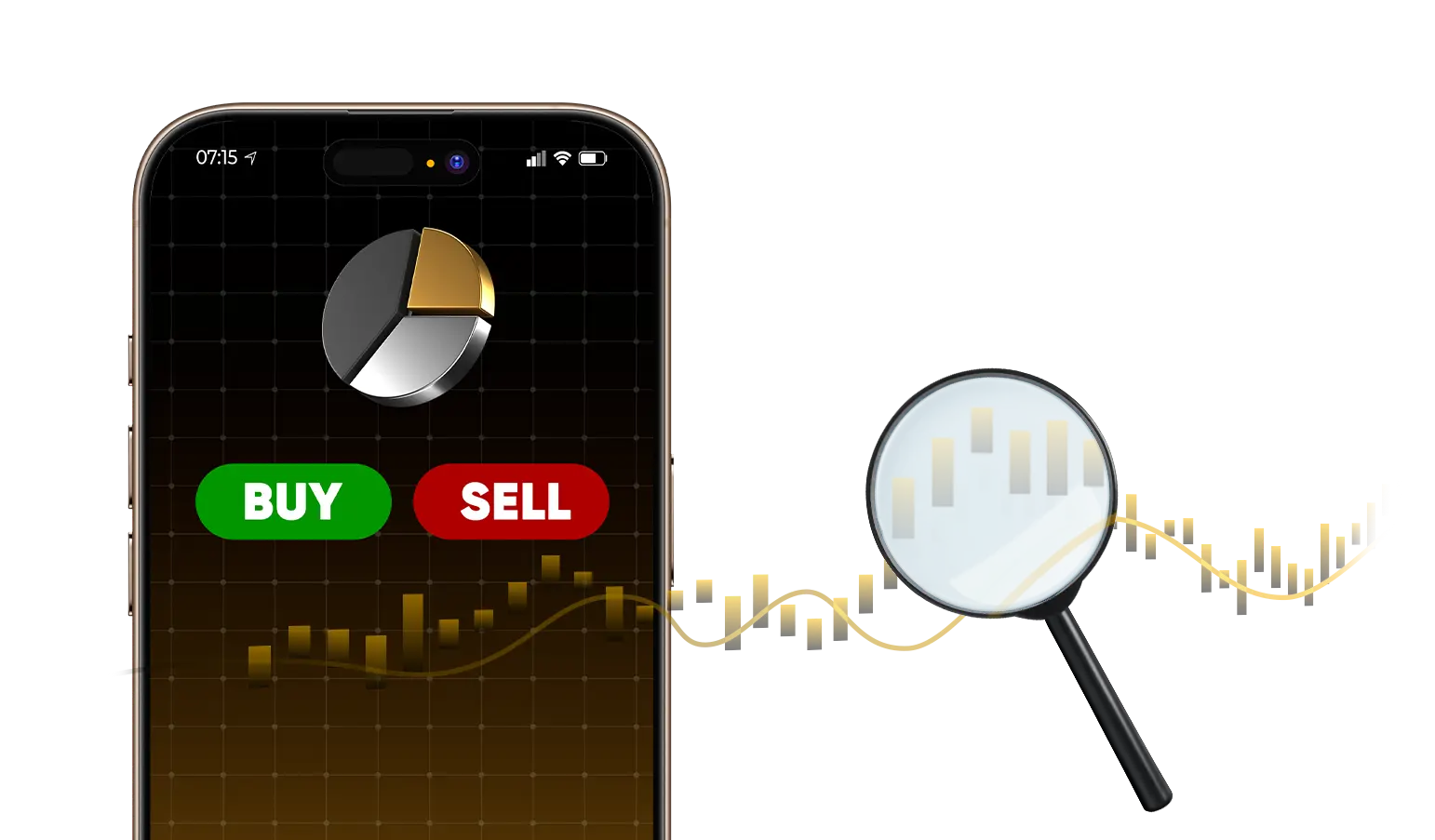
Algorithmic trading, often called algo trading, is the process of using computer programs to buy and sell financial instruments automatically. The programs operate according to specific price instructions which dictate their timing and quantity and other market conditions. The algorithm continuously observes market activity instead of requiring traders to make manual trading decisions. The system runs the trade when conditions meet the established programmed criteria. The system operates without requiring human monitoring which helps to prevent emotional decision-making.
What Is The Process Behind Algorithmic Trading Operations?
Every algorithmic trading system begins with its operational blueprint. Market analysts and traders create their trading rules through the development of specific market behavior patterns. The system will execute a stock purchase once its price reaches a specified threshold while executing a stock sale when the price drops below a predetermined threshold. The strategy undergoes testing on historical data before its implementation in actual trading environments. The process of backtesting enables researchers to assess the strategy’s effectiveness by testing it on historical market conditions. The algorithm proceeds to live market operations after the successful completion of testing. Automatic trading systems will begin to execute transactions as soon as the specified trading conditions become available.
Why Speed Is Important for Trading?
The primary benefit of algorithmic trading systems arrives through their capacity to execute trades at high velocities. Financial markets maintain their active state throughout the day which enables price changes to occur within timeframes that extend to multiple milliseconds. Computers surpass human processing speed to create operational advantages. Traders who use trading systems can quickly seize minor price fluctuations which manual traders would miss. Frequent trading of assets lets traders profit from even the smallest price fluctuations that occur during their trading activities.
Benefits of Algorithmic Trading
Algorithmic trading offers multiple advantages. The system stops traders from making emotional choices because computers execute trades according to established rules. The system stops traders from making errors which happen when they experience fear or greed or when they hesitate. The system provides better results through its automatic trading system which eliminates human error possibilities. The system enables algorithms to track numerous stocks and markets simultaneously which human traders cannot achieve. Traders can use automated systems to implement their trading techniques while remaining active in the market without facing delays.
Common Types of Algorithmic Strategies
There are different types of algorithmic trading strategies. Some systems identify market trends because they buy stocks which show price increases and sell stocks which display price decreases. The algorithm uses arbitrage strategies to capitalize on minute price variations between distinct markets. Some strategies operate under the assumption that prices will eventually return to their historical average. Each strategy needs data analysis together with specific rules which have been established beforehand.
Risks and Challenges
The advantages of algorithmic trading bring multiple advantages. The program experiences technical failures which result in unintentional trading activities. The algorithm fails to protect against market fluctuations which result in financial losses during unpredicted market conditions. The high-speed operation of computers allows errors to occur within a brief period. The process needs close supervision together with effective methods for controlling risks.
Embracing Technology for Smarter Trading
Algorithmic trading represents a contemporary trading method which uses technological systems to execute trades according to predefined trading rules. The system allows traders to make faster and more precise trading decisions while maintaining their trading discipline. The system offers various benefits which need efficient strategy development together with proper testing and risk management. Learning about algorithmic trading fundamentals provides essential knowledge which enables you to understand modern financial markets that operate through technological advancements.
Interested in exploring algo-trading strategies? Connect with Aetram for expert guidance and innovative investment solutions.