What is STT Charges?
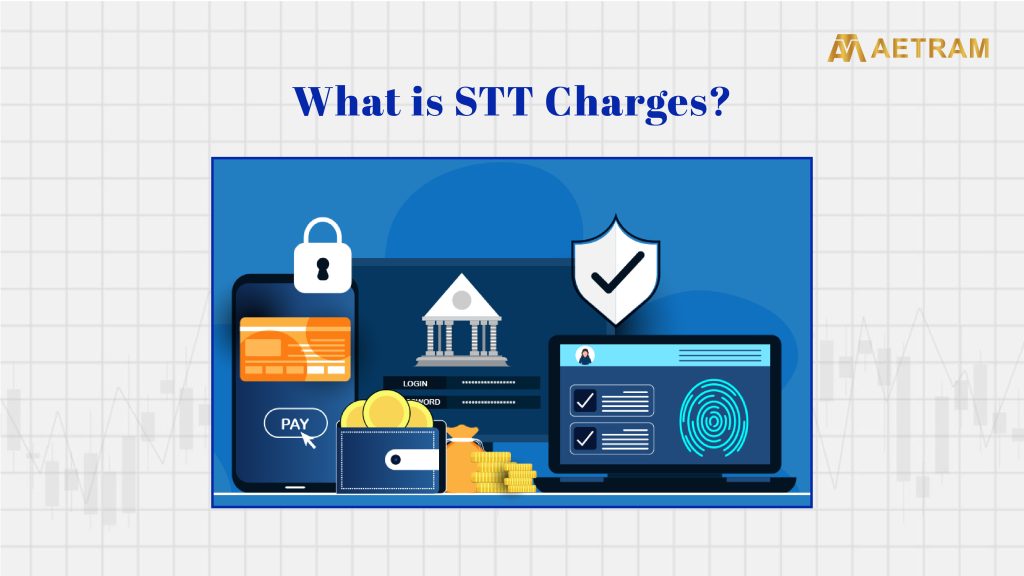
The stock market transaction statement shows you various fees which apply when you purchase or sell shares. The Securities Transaction Tax which people refer to as STT functions as one of these fees. The small amount of this fee functions as a vital component which exists throughout all stock market operations in India. Traders who understand STT charges can calculate their complete trading expenses, which helps them develop better investment strategies.
What is Securities Transaction Tax?
The Indian government establishes Securities Transaction Tax STT as a tax which applies to all securities trading activities on approved stock exchanges. The system applies STT charges automatically whenever you complete specified trade transactions. STT exists to provide a straightforward and understandable method which enables users to pay taxes on their security transactions. The trading system automatically collects STT at the time of the trade because it, eliminates the need for complex tax calculations which would occur later. The system checks for tax compliance, which decreases the chances of tax evasion.
When is STT Charged?
STT undergoes application during all stock market operations which occur on Indian stock exchanges. The tax is typically applied when you purchase or sell equity shares. The tax applies to intraday trading which involves purchasing and selling shares within the same trading session. The tax also applies to options and futures contracts which traders execute on the stock exchange. The tax applies to specific mutual fund transactions which investors conduct through stock exchanges. The tax does not apply to off-market transactions which involve security transfers that occur outside stock exchange platforms.
How is STT Calculated?
The amount of STT you pay depends on the type of transaction. The tax amount gets determined through a calculation which uses a minor percentage of the total transaction amount. The rate varies between delivery-based trade and intraday trade and derivative transaction. The good news is that you do not have to calculate it yourself. Your broker takes care of STT calculation and provides the results in your contract note or trade statement. The tax gets applied to every trade which causes frequent traders to experience it more but the actual percentage remains low.
Why STT Matters for Investors?
All trading expenses include STT as a minor cost element. The active trading pattern of long-term investors who make infrequent trades will cause them to experience minimal effects from this practice. The total costs of active traders who conduct multiple transactions will increase because of STT charges. STT functions as a component in determining capital gains tax obligations. Investors who pay STT taxes can access specific tax advantages which apply only to their equity investments. The study of STT enables you to control expense management while achieving tax compliance requirements. Knowledge of these charges helps you determine your actual profits because it shows all costs you need to pay.
How STT Supports Market Transparency?
The stock market uses STT as a tool to maintain transparent practices while holding market participants accountable. The tax collection process through stock exchanges enables straightforward compliance because it ensures that all qualified transactions receive equal taxation treatment. The system improves taxation procedures while enabling governmental organizations to track trading movements throughout all markets.
Understanding Costs for Smarter Trading Decisions
The stock market in India utilizes STT charges as an essential yet minor component of its trading operations. The system automatically applies these charges to all qualifying trades which then become part of your complete trading costs. You can improve your net return calculations and decision-making process by learning about STT. Every investor should understand all trading expenses which include STT because it helps them develop effective investment plans that will last over time.
Want to manage your trading costs more efficiently? Connect with Aetram for expert guidance and smart investment solutions designed to help you optimize returns while staying tax-compliant.