What is Stock Split?
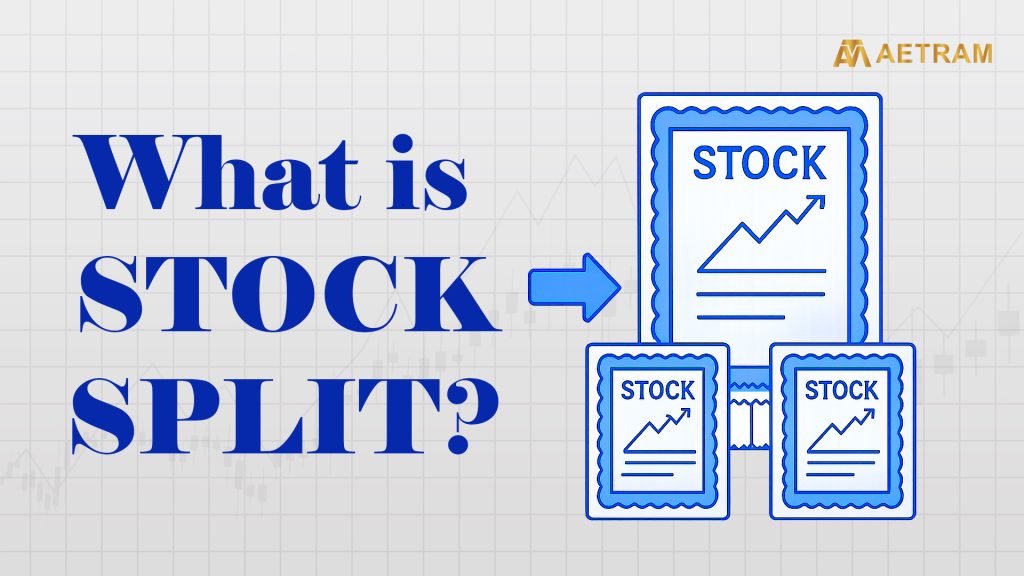
A stock split is one of the corporate actions similar to bonus issue of shares and the number of shares an investor owns will increase after the event. As the name suggests stock split involves splitting the stock wherein the face value of the stock decreases and the price per share falls.
Companies announce a stock split because they aim to increase liquidity of their shares by increasing the number of shares and making it less expensive. This corporate action will not result in any cash outflow or any adjustment to the reserves. Only the face value will get decreased proportionately.
Advantages of stock split for investors
When there is a stock split, it will lead to fall in share prices making it affordable for existing and new investors to accumulate new shares.
Stock split will also increase the liquidity in the secondary market, resulting in better price discovery of a company’s shares. This is expected to boost retail participation.
After a stock split, if the company performs really well and the share price increases gradually over time, the market capitalization of the company rises and the total investment value of an investor will also climb up.

Tax implication due to stock split
When a stock split happens and the extra shares are credited to an investor’s demat account, there are not immediate tax implications. In other words, the investor does not have to pay taxes for getting those extra shares. However, they have to pay taxes if they sell the shares and book profits.
If the shares are sold within a year and the investor realizes capital gain, then they have to pay short-term capital gain tax which stands at 20%. If the shares are sold after an year of acquiring it, then they have to pay long-term capital gain tax which stands at 12.5%.
Important dates to watch out for with respect to stock split
Investors should remember two key dates related to stock split: the record date and the ex-date. The record date is set by the company to identify which shareholders are eligible for the stock split. You must be an existing shareholder of the company’s shares and you must hold the shares in your demat account on the record date.
Meanwhile, the ex-date is the date when the stock will start trading without the perks of the corporate action announced. So, if you want to benefit from a stock split corporate action, you must buy the shares before the ex-date. Buying a company’s shares on or after the ex-date will not make you eligible for the stock split corporate action.
Since all instruments were moved to the T+1 settlement cycle, the record date and the ex-date fall on the same day. So, in other words, you must buy the shares before the ex-date or the record date.
For example, if the record date is Friday, then you must buy the shares of the company on or before Thursday to be eligible for the stock split and benefit from that corporate action.
What should investors do to be eligible for stock split corporate action?
You need a demat account with a SEBI-registered stock broker like Aetram Trades India. You can open a free demat account and trading account with just a few click by going to our registration page and following the instructions on the page.
After opening a free demat account with Aetram Trades, ensure that you buy the desired shares of a company before the record date to be eligible for the corporate action.
Conclusion
Stock Split or Share Split is an important corporate action similar to bonus shares, where the number of shares held by an existing shareholder increases.
Though the total investment value will not increase initially, as the company’s share price starts to rise due to its strong financials and momentum in the share, the total value of investment will increase over time.
Stock split is a corporate action that does not happen frequently in a year and as a retail investor, it is important to track this corporate action and make the most out of this as it is likely to play a vital role in compounding wealth.
Frequently Asked Questions
1. What is a stock split?
Stock split is a corporate action where the stock is divided and the face value of a single share decreases due to this corporate action.
2. Will the price per share increase or decrease after the stock split?
The share price will decrease after the stock split as the face value gets divided proportionately as announced by the company.
3. Will the number of shares increase due to a stock split?
Yes. If you are an existing shareholder, then the number of shares increases proportionately after the record date as announced by the company.
4. What are the important dates to remember with respect to stock split?
Record date and ex-date are the two important dates which an investor must remember with respect to stock split.
5. Where can I check upcoming corporate action like stock split?
You can check it in nseindia.com and bseindia.com websites. The links are as follows
NSE link and BSE link