Do Emotions Influence Financial Decisions?

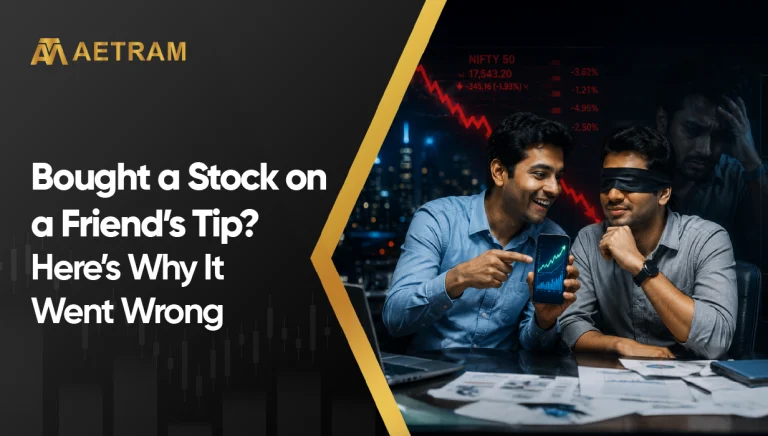
When it comes to matters concerning money and investments, we feel as if our choices are made through the use of logic and figures. The truth is that emotions are a way bigger player than we give them credit for. Emotions such as fear, excitement, anxiety and overconfidence are the major players when it comes to how people use money.
Role of Emotions in Money-Related Situations
Financial matters are always intertwined with behavioural issues. Money symbolizes security, freedom and comfort for the future which is why emotions always tend to get involved. Hope springs when the market goes up. Fear creeps in when the market goes down. These emotions tend to make the investor act automatically without even considering the consequences.
Many people emotionally respond because losses are more painful than rewards are pleasing. The fear of losing funds may cause people to act hastily such as selling stocks when the market is declining even though long-term objectives are not changing.
Fear and Greed in Investing
One of the most powerful emotions that people experience when it comes to investing is fear. It usually manifests when the economy faces uncertainty or when a market correction happens. If prices decrease, people always fear that this situation will only worsen, so it always prompts them to sell investments in times when they shouldn’t.
On the other hand, Greed is when the market is performing well. With prices rising, people feel the rush and the impulse to seize any gains that come quickly. Investors might invest in something they do not fully appreciate the risks in simply because they do not want to miss out. Greed and Fear work together in that they obscure good decision-making.
Common Emotional Patterns Influencing Decisions
Besides fear and greed, there are some mental tendencies that affect investment decisions. Some people tend to follow a crowd that what is popular is right. Others tend to be highly self-confident that they can time their investments precisely. Still, some people tend to be selective with information, ignoring what contradicts their beliefs.
One of these behaviors is overreacting to what has just happened in the market. When the market has done well for a short while, people often start to think that the market will continue to do so for all eternity. In contrast, if there has been a recent setback, people often become overly pessimistic for the future as a result.
How Emotional Decisions Affect Long-Term Wealth?
Emotionally investing in money can result in behaving inconsistently. Buying high during excitement and selling low during fear disrupts long-term wealth creation. On the other hand, investors who remain calm are better equipped to profit from the market cycles. This is because understanding market cycles enables them to appreciate the fact that volatility makes the investment world go round.
Implementing Emotional Awareness to Become a Better Investor
Awareness is the first key to effective emotional management. Identifying when fear, excitement or stress is impacting an investment decision can give investors a moment to second-guest their own judgment. Set financial goals help prevent emotional responses when markets fluctuate. Habits like periodically analyzing investments instead of doing it daily, maintaining consistency with the plan and not acting on an impulsive decision can really work well. Over the years, control over emotions will become as important as money-related awareness.
Mastering Emotions for Smarter Financial Decisions
Emotions will always be present in the process of decision-making when it comes to finances. However, they should not dictate this process. In understanding emotions and their role as influencing factors in our behavior as investors, we can thereby avoid mistakes and make more informed decisions.
Build a balanced and disciplined investment approach with Aetram, a trusted SEBI-registered stock broker.