What Is Rolling Settlement and How It Works in India

Rolling settlement is a process of settling trades after the trade has been executed. After an investor buys or sells stocks, it takes some time for the trade to be settled. If you place a buy order, the funds are debited from your trading account and the shares are credited to your demat account. Conversely, when you sell shares, then the shares are debited from your demat account and the money from the sale is credited to your trading account.
The settlement process plays an important role in the overall investment or trading experience. The sooner this process is completed, it helps both the buyers and sellers in many ways. Understanding this settlement process is key for market participant. In this post, we will break down what rolling settlement means in the stock market and how it works for both buyers and sellers.
How does rolling settlement work?
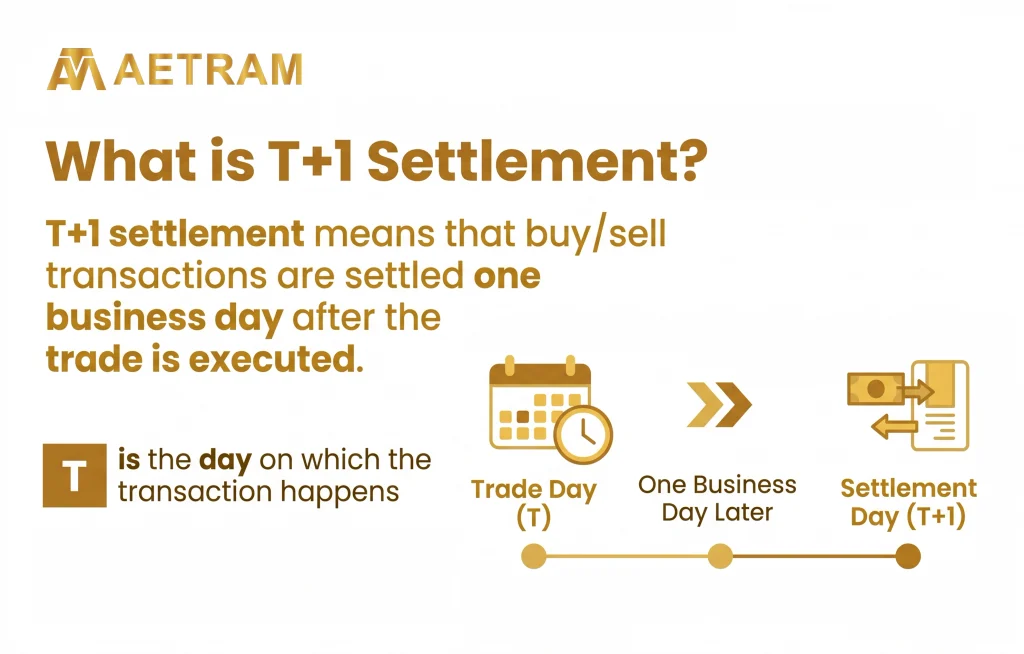
In recent times, the market regulator of India, the Securities and Exchange Board of India (SEBI) has rolled out a new system called rolling settlement. Here, the trades are settled the very next business day after they have been executed. In other words, the trades are settled in T+1 day where T is the trade day.
Earlier, stocks that were traded in the Indian stock exchanges were settled in two dates after the trade had happened which was called as T+2. So if a trade was place on Monday, it would be settled on Wednesday.
However, according to T+1 rule, if a sell or buy order is placed on Monday and it gets executed, the transaction will be settled on Tuesday as long as it is working day and not a holiday. This updated settlement process makes it faster and more efficient.
What is pay-in and pay-out day?
The pay-in day refers to when a broker has to send the payment or deliver the securities to the exchange after a buy or sell order has been executed. On the Pay-out day, the exchange returns the required funds or transfers the securities to the broker.
The rolling settlement process follows a T+1 settlement cycle for equities and derivatives in India which means the transactions are settled one day after the trade day. As a result, both the payment and delivery of funds and securities happen on the same settlement day just one day after the trade is executed.
Benefits of rolling settlement
With a rolling settlement process, the settlement happens at a faster pace compared to the earlier process as the trade settlement happens the very next day without any delay. This reduces the time between when the trade is executed and when it is settled. This means that there is lower chance of traders or investors losing money due to a counterparty default risk. As the risk is minimized, the market is likely to be more stable and resilient.
You are less exposed to price swings as you are not holding positions for a longer time. As the trades are settled the next day itself, you will not be affected by market ups and downs and you can take the next trade sooner without any issue of liquidity.
With trades settling quickly, there is likely more frequent buying and selling. Funds become available faster, so you can reinvest or take money out without delay. This keeps the market active with high trading volumes.
As trades are settled quickly, the market gets updated information faster and this gets reflected in the price sooner, helping investors make better decisions when thy buy or sell a security.
Conclusion
For many market participants, knowing the rolling settlement process is important because it plays a key role in how smoothly trades are settled, how risks can be managed, how traders or investors can plan their finances and more importantly it would increase liquidity. The shift to rolling settlement in India has brought a lot of clarity, speed and consistency in the trading segment. This has replaced older outdated methods which caused delays and exposed investors to settlement risks.
Frequently Asked Questions
What is the difference between “T+1” or “T+2”?
“T” stands for the day on which the trade happens. It is the day on which a trader or investor buys or sells a security. T+1 is the number of days by which the trades are settled. Here the trade is settled the next working day. T+2 was the older settlement period where the trade was settled two days after the trade day. Trading holidays including Saturday and Sunday are not counted as working days.
What happens if I buy shares on Friday?
Since settlements only happen on working days, a trade on Friday (T-Day) will have the following schedule:
- Friday: Trade Executed (T)
- Saturday/Sunday: Holiday
- Monday: Settlement Day (T+1).
You will receive the shares in your demat account on Monday provided it is a working day.
What is the difference between “Pay-in” and “Pay-out” in rolling settlement?
Pay-in day is the day the seller transfers shares to the exchange or the buyer transfers funds to the exchange.
Pay-out is the day the exchange delivers the shares to the buyer’s demat account or transfers money to the seller’s account.
How does rolling settlement affect intraday traders?
Rolling settlement generally does not affect intraday traders as intraday positions are squared off on the same day.