Top 5 Common Investing Mistakes and How to Avoid Them

Investing can really grow your wealth, but nobody gets it right every time, not even the pros. It’s not just about picking the perfect stock or fund. It’s just as much about knowing what to avoid. Here are five mistakes I see all the time, along with some simple ways to steer clear of them. Below are five prevalent investing errors and how to avoid them.
1. Chasing High Returns Without Understanding the Risks
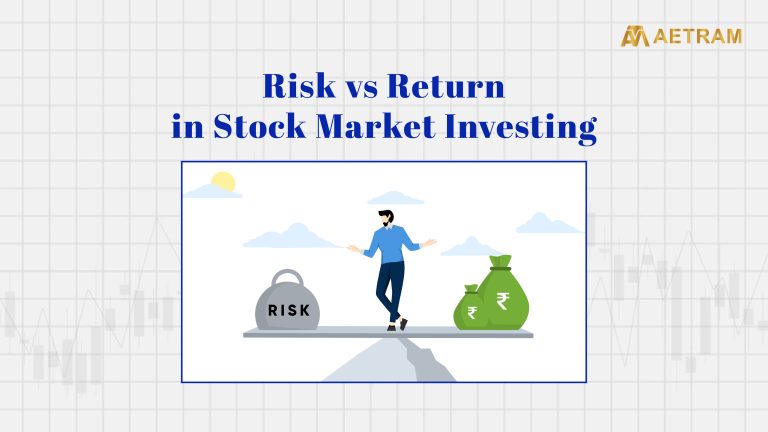
It is natural to be drawn to investments that promise high returns. But high returns usually come with high risk. Investing without understanding what you are getting into can lead to unpleasant surprises. Many beginners fall into the trap of following trends or advice from friends without doing their own research.
How to avoid it
Invest the time needed to fully understand any investment before committing your money. Choose options that align with your financial goals and your personal tolerance for risk. It’s also important to diversify your funds across different types of investments to help minimize potential losses.
2. Attempting to Time the Market
Most investors believe that they can purchase at the lowest level and sell at the highest. The reality is that short-term market movements are very hard to predict. It only takes missing a few of the best-performing days to have a significant effect on your long-term returns.
How to avoid it
Invest with a long-term perspective rather than reacting to short-term market fluctuations. Continue investing even when the market behaves unpredictably, and make your decisions based on your overall strategy and financial objectives rather than daily news or market noise.
3. Not Diversifying Your Investments
Investing everything in one stock or form of investment is unsafe. If that investment performs poorly, your entire portfolio is impacted. Diversification safeguards your money and levels out returns in the long run.
How to prevent it
Distribute your money across different types of investments such as stocks, bonds, and property. Within each category, choose a mix of options from various regions or sectors to reduce risk. Review your portfolio regularly and rebalance it as needed to stay aligned with your financial goals.
4. Allowing Emotions to Guide Decisions
It is simple to allow emotions to get the better of you during a rise or fall in the market. Panic selling during a fall or buying due to greed when the market rallies can damage your returns. Emotional choice tends to result in buying high and selling low, contrary to what you need.
How to stay away from it
Stick to your investment strategy even during periods of market instability. Avoid making impulsive decisions driven by fear or excitement, and consider setting up automatic investments to ensure your strategy remains consistent.
5. Not Reviewing and Rebalancing Your Portfolio
As time passes, some investments will grow more quickly than others, and your portfolio will be out of balance. By ignoring this, your investments may no longer be aligned with your goals or risk tolerance.
How to prevent it
Regularly review your portfolio to ensure it continues to align with your plan. Rebalance your investments as needed to maintain the desired allocation, and adjust your plan if your financial goals or personal circumstances change.
Learn from Mistakes, Invest with Confidence
Saving wisely is all about making informed decisions, being patient and keeping an eye on your goals. Steer clear of the most common mistakes and you can make a huge impact on your long-term success. Don’t forget investing is not really about eliminating risk altogether but being wise with it. Get informed, diversify and stick to your plan and your money can work harder for you in the years to come.
For expert advice and practical strategies, get in touch with Aetram through 044-48680008 or 044-49477777.
Frequently Asked Questions
1. Why is it dangerous to chase high returns?
Chasing high returns without realizing the risk often leads to a backfire. Investments that guarantee huge gains have more volatility. That is their price jumps drastically. Similarly, most new investors are swept by the hype or go by the trend without investigating the company or sector. This may result in losses if the investment does not work out as anticipated. It is always safer to go for investments that align with your financial objectives and risk tolerance rather than pursuing instant gains.
2. Is it possible for me to boost my returns by timing the market?
Hypothesizing about the best time to buy and sell is sensible in theory but difficult in reality. Even experienced investors find it difficult to forecast short-term market fluctuations with accuracy. Missing a few of the most profitable days can significantly impair your overall returns. Rather than responding to day-to-day news or price fluctuations, it’s best to remain invested in the long run. A steady approach smoothes out short-term fluctuations and creates steady growth in the long run.
3. Why is diversification useful while investing?
Diversification involves spreading your funds between various assets such as stocks, bonds and real estate. This minimizes the effect of a bad-performing asset on your portfolio. For instance, if a sector underperforms, profits from another sector can balance it. Diversification doesn’t eliminate risk but stabilizes your portfolio. Periodic balancing and monitoring helps ensure that your investments align with your objectives and risk tolerance.
4. Why must emotions be left out of investing?
Investment choices made from fear or greed are usually wrong. In times of market declines, most investors panic and sell at a loss. In times of rallies, investors purchase with greed only to be regret later. These emotional responses can spoil your long-term plan. The ideal policy is to remain disciplined and adhere to a carefully considered plan irrespective of short-term changes in the market. Scheduling automatic investments can also make you consistent and eliminate emotional bias in your investment choices.
5. How frequently should I review and rebalance my portfolio?
Your portfolio evolves over time as some of your investments increase at different rates compared to others, causing your overall balance to change. Checking it once or twice a year will ensure you verify whether your investments are still suitable for your objectives and level of risk. Rebalancing can involve selling some of what’s grown excessive and investing in those that require a kick. This maintains your portfolio balanced, diversified and in harmony with your long-term financial perspective. Revise it as your income, goals or life circumstance change.