How to Stop Overspending?
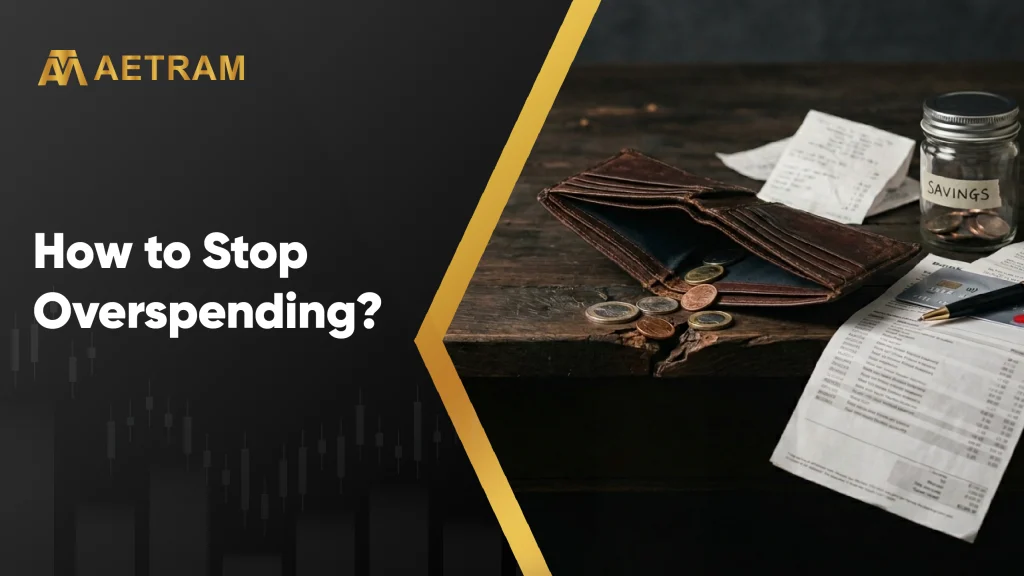
Is there a chance that you’ve found yourself in a situation when you don’t know where your money disappeared to? In that case, you probably experienced overspending in your life, which isn’t the best practice for saving money, investments and achieving financial stability. But even little adjustments in your budget can change everything drastically!
Learn What Happens with Your Money
In order to control your expenses, it is essential to understand what exactly happens to your cash. A lot of people tend to underestimate their expenses because they don’t include food delivery costs, online shopping prices, subscription services and other minor expenses into the budget. However, tracking your finances will help you learn a lot of useful details.
Learn the Difference between Needs and Wants
Another helpful strategy is distinguishing between what you really need and what you don’t. Your basic expenses such as rent, groceries, electricity bills and other costs should be categorized as needs. On the contrary, all additional expenses, such as buying things without thinking, excessive online shopping and other unnecessary things can be called wants.
Steer Clear of Impulse Buys
Spending is something that many people decide on impulsively. Discounts, flash sales and social media advertisements will tempt you to act quickly. Give yourself some time before making any decision. In most cases, the urge to spend wears off after some time.
Develop a Budget for the Month
Making a budget for the month can be helpful since it allows you to allocate funds to various expenses. This makes it difficult to exceed the amount that you have set to spend on various categories.
Set Up an Automatic Saving System
Another easy way to manage your spending is through automatic saving. You can easily accomplish this by arranging to transfer money to your saving and investment accounts whenever you get your paycheck.
Practice Better Money Management
In most cases, spending too much depends on habits rather than income. Making some small adjustments here and there will go a long way in managing your finances and developing a better financial future. Remember; you should never stop living because of poor money management.
To learn more about smart money management and financial planning, connect with Aetram.
FAQs:
1. What is overspending?
Overspending occurs when you consistently spend more money than necessary or beyond what your income and budget can comfortably support.
2. How can I identify if I am overspending?
If you struggle to save money, frequently rely on credit, or find yourself wondering where your salary went each month, you may be overspending.
3. Does creating a budget really help control spending?
Yes. A budget helps you track your income and expenses, making it easier to manage your money and avoid unnecessary purchases.
4. How can I stop making impulse purchases?
Try following the 24-hour rule, wait a day before buying non-essential items. This gives you time to decide whether the purchase is truly necessary.
5. Why is saving money important even if I earn well?
A good income does not guarantee financial security. Saving regularly helps you prepare for emergencies, achieve financial goals and build long-term wealth.