How to Avoid Overtrading: A Practical Guide for Investors
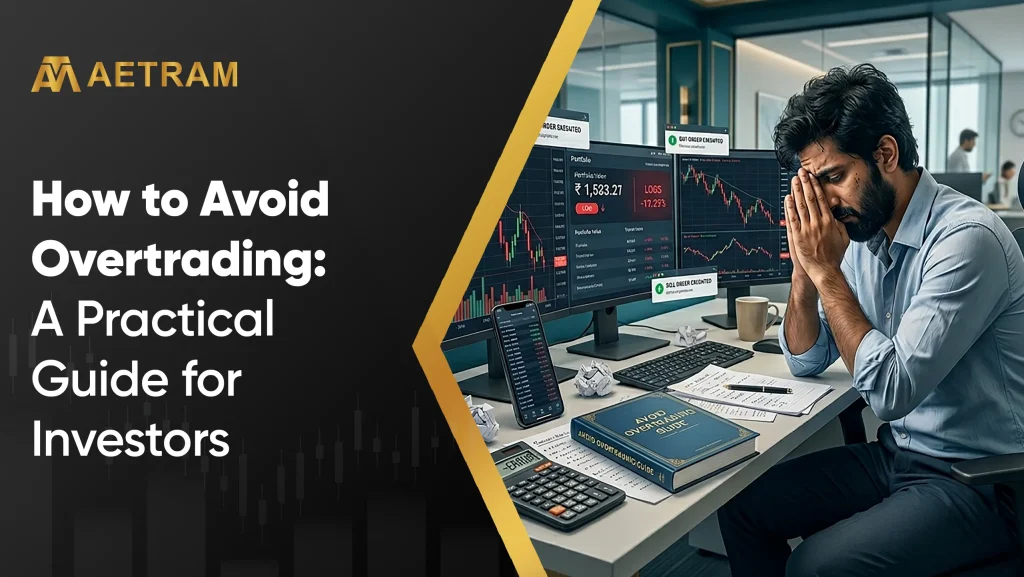
The stock market can be a busy environment where you think you need to make decisions quickly: buy when the stock goes up, sell when the stock goes down and never pass up a good opportunity. But in all of that hustle and bustle, you can end up making a very common error: overtrading. Overtrading is simply the practice of making too many trades without a good reason or game plan. While you may think you’re being active in the market and capitalizing on opportunities, overtrading can actually hurt you in the end by decreasing your profits and increasing your risk.
Why Overtrading Happens?
Overtrading is not often a matter of strategy; rather, it’s often a matter of emotions. Perhaps you’re afraid of losing out on opportunities by seeing the stock prices fluctuate rapidly. So, you make trades without knowing whether you’re making the right decisions. Maybe you’re feeling greedy and think you can make a lot of money in a short time. Or maybe you’re feeling pressured to make up for losses by making trades impulsively. Perhaps you’re feeling bored and think you need to make trades to stay active in the stock market.
How Overtrading Affects You?
The most obvious effect of overtrading on you would be an increase in costs. Every time you make a trade, you incur brokerage costs and taxes. Although the amount of each trade may not be significant, the cumulative effect of excessive trading can eventually deplete your capital. Overtrading can also influence your mindset. When you are constantly monitoring the stock exchange and making decisions quickly, you may end up feeling stressed. This can lead to mental exhaustion, causing you to make irrational decisions. In the end, overtrading does not only deplete your wealth but also influences your attitude towards trading.
Recognising the Signs
It is not very easy to identify overtrading, but there are some tell-tale signs. For instance, you may be entering trades without a good rationale or making trades in an attempt to recover losses. In addition, you may be feeling uncomfortable staying out of the stock exchange, as if you are missing out on something very significant. Moreover, you may be going against your own strategy or frequently changing strategies.
How to Avoid Overtrading
To avoid overtrading, the first step is to cultivate discipline. This begins by having a plan. When you know the exact time to enter the market, the time to exit the market and the risks you are willing to take, you are not likely to make emotional decisions. It is also vital to cultivate the habit of quality over quantity. It is not necessary to take every opportunity. It is vital to wait for the right time.
In addition, setting your own limits is vital. When you set the number of trades you are willing to make, you are being selective. It is vital to keep a journal. When you write down the reason you are trading and the outcome of the trades, you are becoming wiser. Taking breaks is equally vital. When you take a break from the market, especially when you are having a series of wins or losses, you are becoming wiser.
The Right Approach to Trading
Overtrading is often caused by thinking that more trading will mean more profits. But this is far from the truth. Successful investing is not about being active; it is about being patient and disciplined. The market is always full of new trading opportunities. The key is knowing when to trade and when not to trade. Ultimately, it is not about trading more, but trading wisely.
If you want more trading related insights, reach out to Aetram.