How Middle-Class India is Getting Trapped in Trading Apps?
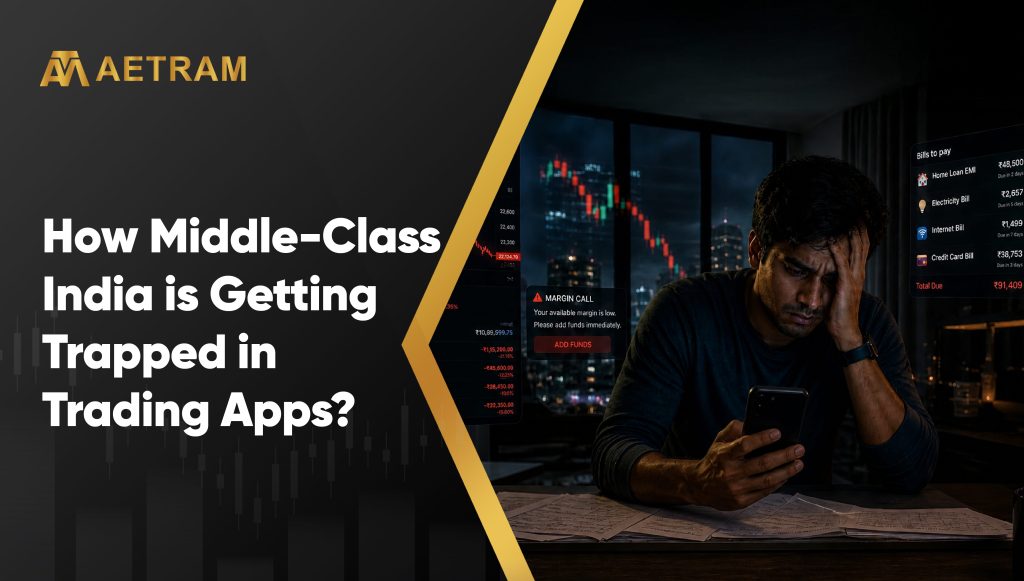
In modern times, trading applications have revolutionized access to the stock market. Anyone with a smartphone can begin trading in a matter of minutes. For people belonging to the middle class, it may seem like an incredible chance to earn money fast and better their lives. But all of this is nothing but a slow and gradual descent into a pitfall.
The Appeal of Fast Money Making
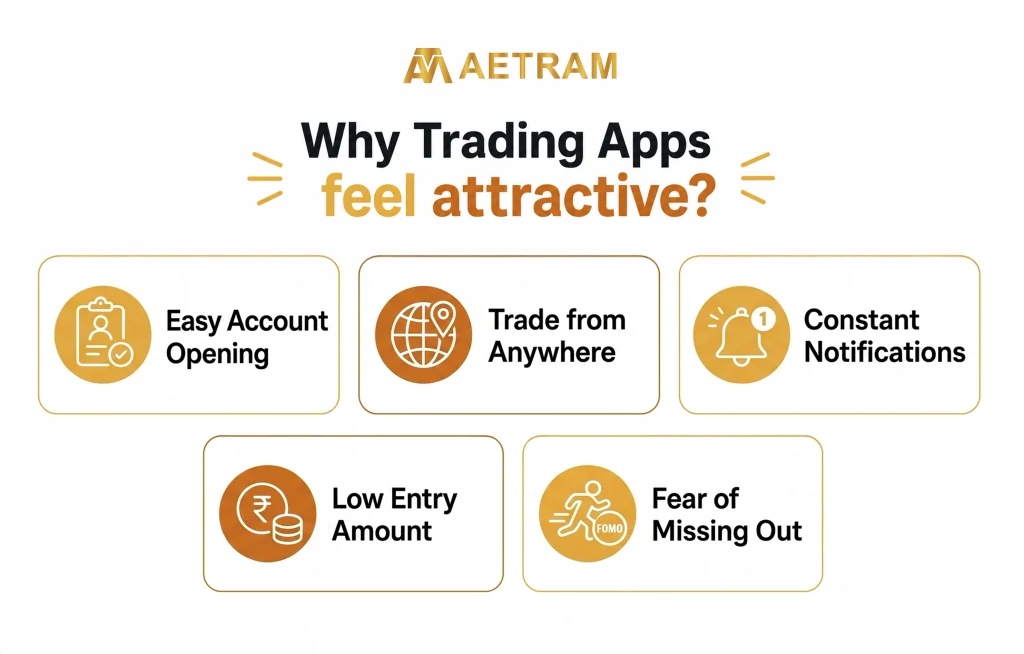
Applications for trading create a sense of instant gratification. Stock prices fluctuate in real time, transactions take place instantly, and even a little gain is enough for someone to get excited about. All of this gives rise to the feeling that one can easily make some quick money in the market. The social media aspect of trading further reinforces the idea. However, the problem lies in the inconsistency of success stories shared.
Access Is Too Easy, Resulting in Too Much Trading
Back in the day, investment needed much work and patience on the part of an investor. Now that the process of investing has been greatly simplified, many traders engage in frequent actions. Without proper consideration of the associated risks, people begin investing. As a result, they gradually stop thinking about investing in general and begin to think about how to earn money within a short period of time.
Emotional Aspects of Trading
Trading is influenced not only by knowledge of the market but also by people’s emotions. When there are favorable conditions for buying at good prices, investors feel excited. But when it becomes clear that investments should be withdrawn immediately, a state of panic occurs. Both emotions are quite natural, but sometimes they lead to bad consequences and make people lose their money.
Effects on Financial Stability
The finances of middle-class families are usually well planned out. Their income is allocated for different purposes, including expenses, savings, and future investments. Trading, however, can upset this delicate balance. Saving and investing consistently are replaced by unpredictable financial transactions. As a result, one’s financial stability can become jeopardized. In some cases, individuals resort to using credit funds in order to keep trading, further exposing themselves to financial risks.
Trading Versus Investing
An important distinction should be made between trading and investing. While the latter is concerned with gradual wealth-building through investments, the former implies short-term transactions that require experience, self-control, and adequate risk management. Otherwise, trading can prove to be counterproductive.
A Different Perspective
The issue here does not lie in trading applications themselves but rather in their utilization. Used responsibly and thoughtfully, such applications can contribute positively to financial planning and management. Impulsive usage for the purpose of achieving rapid profits, however, can have negative consequences. Creating wealth takes time and effort.
The Fine Line Between Access and Overuse
Trading apps have changed more than just the way that investments are done. Not only have technology and innovations made the markets easier to get into; they have also made people less hesitant. Today, the true danger lies not in making poor financial decisions; the danger lies in making poor decisions altogether. To the middle class, wealth building has never been a matter of being fast. Wealth building for the middle class has always been about staying consistent, patient, and focused. And while quick profits can be satisfying, sustainable profits require careful planning.
If you’re looking to use trading platforms more responsibly, Aetram offers the right mix of tools, insights and guidance to help you stay on track.
FAQs
1. Why are trading apps becoming so popular in India?
Trading apps are popular because they make stock market access simple, fast, and convenient through smartphones and easy account opening.
2. Are trading apps risky for beginners?
Trading apps themselves are not risky, but frequent trading without proper knowledge and risk management can lead to financial losses.
3. What is the difference between trading and investing?
Trading focuses on short-term price movements, while investing focuses on long-term wealth creation and gradual growth.
4. Why do people lose money while using trading apps?
Many people trade based on emotions, social media trends, or quick-profit expectations without understanding market risks.
5. How can someone use trading apps responsibly?
You can use trading apps responsibly by learning market basics, avoiding impulsive trades, managing risk carefully, and focusing on long-term financial goals.