How Are Indians Buying Rs 1 Lakh iPhone With Very Less Salary?
Smartphones have become an indispensable electronic gadget for most people for its utility and versatility and the sales keep increasing every year.
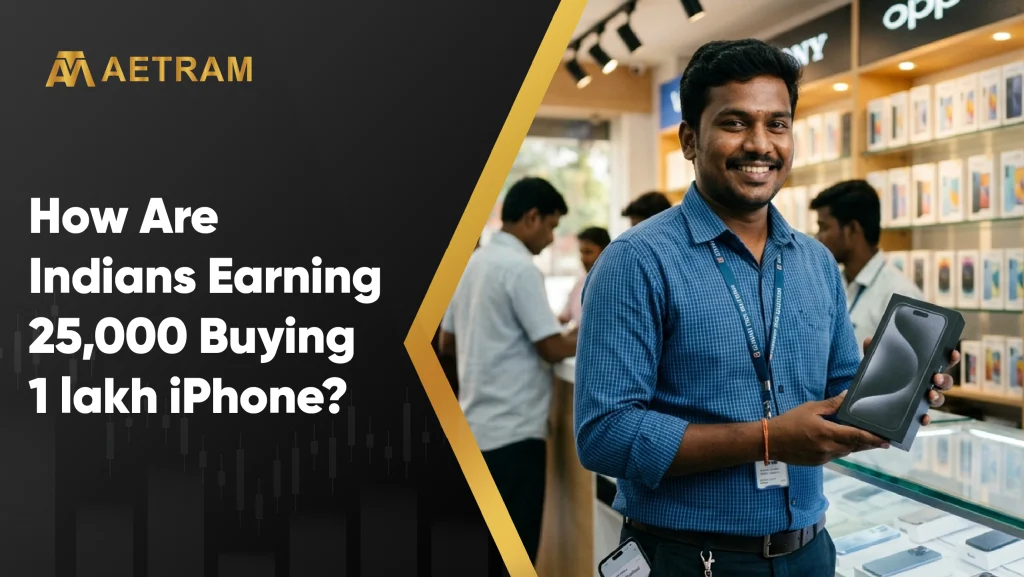
It has become so popular that even the general public in tier-2 and tier-3 cities and towns want to own it and that too a premium smartphone. If you walk into any mobile store, you will see a young executive earning around ₹25,000 or ₹30,000 a month walking out with the latest ₹1,20,000 iPhone Pro Max.
Mathematically speaking, the calculation does not add up because the price of the smartphone is nearly five times their monthly take-home pay.
So how are these people earning so much less salary able to buy such costly smartphones and some are even upgrading their costly smartphones periodically. Traditional economics says that it should not be possible and it is also unsustainable. In this blog, let us take a look at the reasons behind this obsession to own a premium smartphone like iPhone at any cost.
Easy EMI Access To iPhone Buyers
People who earn low salaries but buy an iPhone are not paying for it upfront. In most cases, they are not really affording it either but financing it.
Actually, there are many financial products which are enabling it and it is likely to affect your personal finance if not today but tomorrow.
The single biggest enabler of this craze or trend to own an iPhone or any costly smartphone is the No-Cost EMI. Smartphone retailers and NBFCs have made it easy to buy an iPhone by converting a ₹1,50,000 purchase into 12 monthly installments of roughly ₹10,000. If you are willing to do some down payment then the installment can reduce even more.
Suddenly, an iPhone that seemed impossible on a ₹25,000 salary becomes a monthly line item that competes with rent, groceries and other EMIs. So there is no more the question of “can I afford ₹1.5 lakh iPhone” but “can I afford ₹10,000 per month EMI,” which feels far more manageable in the beginning.
This is the core psychological and financial shift that has happened among the young consumers where big-ticket purchases are broken down into small, digestible monthly commitments and that changes how people evaluate affordability altogether.
Credit Cards Are Doing The Heavy Lifting
Many people buy iPhones and costly smartphones using credit cards which offer:
- Easy no cost EMI conversion at the point of sale
- Cashback or reward points when you buy high-value electronic items
- Bank-specific instant discounts like ₹3,000 – ₹6,000 which are common during various sales events
Many first-time credit card holders in the ₹20,000–₹30,000 salary bracket get cards with limits of ₹50,000 to ₹1,50,000. This is often higher than their monthly salary but these tactics are used by NBFCs and other financial institutions to aggressively acquire customers and push credit card sales. The credit limit provided by banks, NBFCs becomes the gateway to a purchase their salary alone would never support.
Impact of BNPL And Consumer Durable Loans
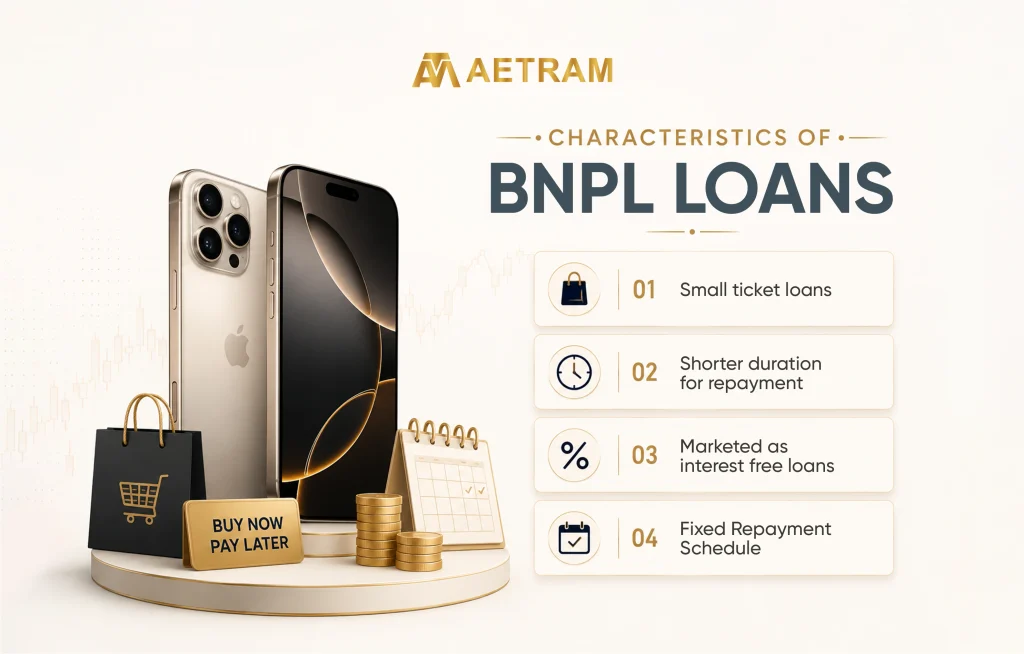
Beyond credit cards, Buy Now Pay Later (BNPL) platforms and NBFC-backed consumer durable loans have made phone financing available even to people without a credit card or a strong credit history.
Some of these schemes require:
- A minimal down payment (as low as ₹2,000–₹5,000)
- Basic KYC and salary slip verification
- No traditional credit score check for smaller loan amounts
This opens the door for gig workers, first-jobbers, and salaried employees in the lower-income bracket who don’t qualify for conventional bank credit but still want in on premium smartphone ownership.
The Aspirational Consumer
The buzzword among the young population is aspirational and this trend is not really about smartphones but it is about what an iPhone signals. In India’s aspiration-driven consumer culture, an iPhone has become shorthand for social status among peers and a one-time investment in an ecosystem which is seen as more premium than others.
Moreover, marketing narratives around the iPhone like higher resale value, stunning camera quality, solid build, etc. further justify the decision in the buyer’s mind to own the phone. However, the buyer overlooks the true cost of ownership like interest, processing fees, insurance add-ons which are far higher than the sticker price suggests.
The Hidden Cost Nobody Talks About
Here’s where the story gets financially risky. No-cost EMI is rarely truly free. The cost is usually built into:
- Processing fees (1–3% of the loan amount)
- Goods and Service Tax on processing fees
- Forfeited discounts that would’ve applied on a straight cash/full payment
- Late payment penalties, which are steep, often 3% per month or more if a single EMI is missed
For someone earning ₹25,000 a month, committing ₹10,000 monthly to a phone EMI means 40% of take-home income is locked in for a year. Add rent, essentials, and any other existing debt, and there’s very little room for an emergency, let alone savings or investing.
This is where personal finance fundamentals get tested and often ignored.
Debt Stacking: The Silent Risk
Financial advisors are increasingly flagging a pattern called debt stacking where individuals in this income bracket are simultaneously managing: a phone EMI; a credit card outstanding balance; and a personal loan or BNPL commitment on other purchases (laptops, appliances, travel).
Each individual EMI looks manageable but when these EMIs are clubbed together, they will easily consume 50–60% of your monthly income. This will leave the person financially vulnerable because even one missed paycheck could lead to a debt spiral.
Is This a Bad Financial Decision?
Not every EMI-funded iPhone purchase is reckless. Buying an iPhone can make sense when the buyer genuinely needs a reliable device for work like if you are a freelancer, a content creator, a professional using their phone as a primary work tool.
You can also go for a consumer electronic loan to own an iPhone when the EMI is truly interest-free and fits comfortably within your budget which may ideally be around 10–15% of monthly income. Further, the buyer has no other high-interest debt running in parallel.
It becomes a problem when:
- The purchase is driven purely by social pressure or status signaling
- It’s stacked on top of existing EMIs or credit card debt
- There’s no emergency fund to fall back on if income is disrupted
What This Trend Says About India’s Credit Culture
A few years ago, many young Indians would not have the money or the access to easy loans to buy an electronic gadget on EMI. They would normally save before making any big purchase.
But today, it has changed. “Buy Now, Pay Later” has been normalized and it is no longer an exception due to easier access to formal and semi-formal credit from banks, NBFCs and credit-based fintech firms.
Though this kind of easy credit has led to financial inclusion and helped people to build credit histories, it is not without risks. When young people don’t have the financial knowledge to manage multiple EMIs or understand the long-term implications, it can lead to stress and debt.
Here’s a practical way to think about it, especially, if you are a youngster earning only somewhere between ₹25,000 and ₹30,000 per month and thinking about taking on an EMI:
- Keep your total EMI payments low at around 30% of your monthly income or even less than that.
- Always look at the full repayment amount, not just the monthly installments. The total cost can surprise you.
- Before jumping into any EMI, make sure you have at least three months’ worth of expenses saved in an emergency fund, even if it has a “no-cost” option.
- Avoid taking EMIs for things that lose value quickly, like phones or gadgets. You’re repaying money while the item is depreciating, a tough mix to manage.
It’s not about avoiding credit altogether, but about using it wisely — with awareness, discipline, and a clear plan.
Conclusion
The image of someone earning ₹25,000 walking out with a ₹1 lakh iPhone is not a story about rising incomes but it is a story about rising access to credit and a cultural shift in how affordability is defined. EMIs, credit cards and BNPL have made premium products accessible to a much wider income base, but they’ve also made it easier to overextend financially without realizing it.
The phone in the hand feels like a win. The real financial picture only shows up a few months later, in the form of shrinking disposable income and, sometimes, a debt spiral that’s hard to walk back from
Frequently Asked Questions
1. How can someone earning Rs 25,000 a month afford a Rs 1 lakh iPhone?
Through No-Cost EMI schemes, credit cards, and BNPL/consumer durable loans that split the cost into smaller monthly instalments, rather than paying the full amount upfront.
2. Is No-Cost EMI actually free?
Not entirely. While there’s no separate interest charged, the cost is often built into processing fees, GST, or a forfeited upfront discount that would’ve applied on a cash purchase.
3. What percentage of income should go toward EMIs?
Financial planners generally recommend keeping total EMI obligations (all loans combined) under 30–35% of monthly take-home income.
4. What happens if someone misses an EMI payment on a phone?
Missing an EMI typically triggers a late payment penalty (often 3%+ per month) and can negatively impact the person’s credit score, making future borrowing more expensive.
5. Is buying an iPhone on EMI a bad financial decision?
It depends on whether the EMI fits comfortably within the buyer’s budget, whether they have other debt, and whether they have an emergency fund. Problems arise mainly from stacking multiple EMIs without a financial cushion.