Constantly Checking Your Portfolio? Here’s What It Means
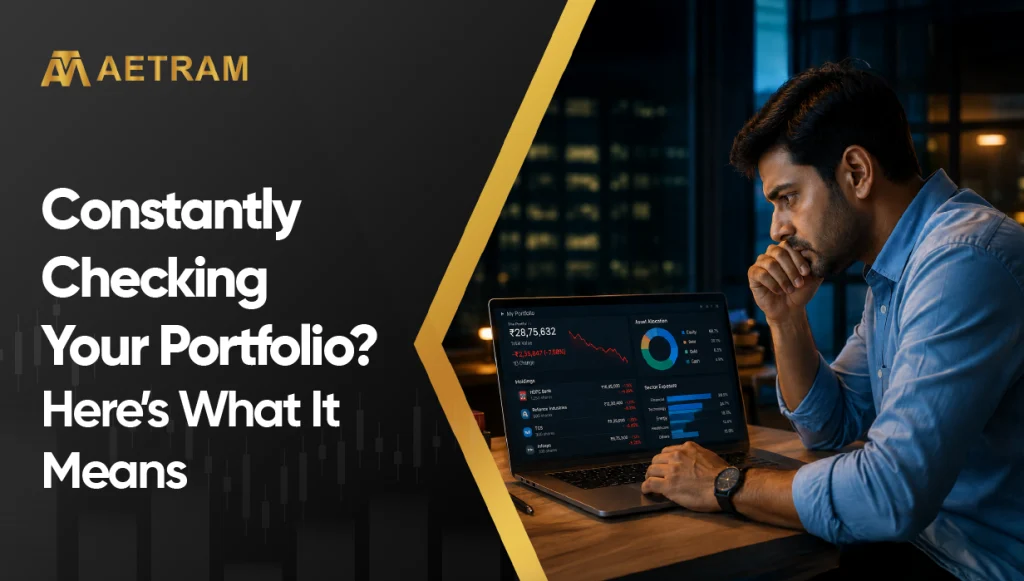
You open your portfolio checking app just for a minute and before you know it, you find yourself constantly monitoring returns, stock prices and market movements all day long. If you resonate with this scenario, you have company. Many investors check their portfolios, particularly when the markets get volatile. However, frequent portfolio checking is often an expression of emotions rather than sensible investment practice.
Why Do Investors Check Their Portfolio Frequently?
It all comes down to the psychological connection that many people have with money. When the market goes up, checking the portfolio gives a sense of excitement and accomplishment. In case the market goes down, this leads to feelings of anxiety and the need to monitor investments more carefully. For some investors, it turns into an obsession stemming from the fear of losing or missing something.
The Danger of Over-Monitoring
Too frequent portfolio checking can inflate the significance of short-term market movements. It is a well-known fact that the market fluctuates daily due to news, events happening across the world and investor sentiment. Nevertheless, reacting emotionally to any change in the market may lead to mistakes such as panic selling and irrational buying. Investing is often a long-term process.
Illusion of Control
Investors have a tendency to believe that constant monitoring of their investment portfolio provides them with control over their investments. However, most of the short-term movements in the market cannot be predicted or controlled. Constant monitoring does not help improve returns but causes stress instead.
What It Could Actually Mean?
If you constantly check your portfolio, it may indicate:
- Anxiety about losses
- Lack of confidence in your investment decisions
- Overexposure to market news
- Short-term thinking instead of long-term planning
It can also mean you are too emotionally connected to daily market performance.
A Better Way to Invest
Rather than monitoring your investments many times a day, it may be helpful to do it periodically; weekly or monthly based on your investment goals. You should also think more about how your investments match your financial goals than about short-term fluctuations in the markets. In addition, it might help if you keep in mind why you have invested in the first place. After all, wealth creation takes time.
Stay Disciplined
Good investors are not necessarily those who monitor the markets closely all the time. Most likely, good investors are those who are disciplined enough to stay that way during turbulent periods and follow their long-term plans. The markets are bound to fluctuate, but acting emotionally in response to them may hurt your investments.
Invest With Discipline and Not Desperation
Monitoring your investments constantly is an indication of emotional rather than strategic investing. Although keeping yourself updated with information is important, too much of it may increase your stress levels and cause you to make irrational decisions.
If you want to build a more confident and disciplined investment mindset, connect with Aetram.
FAQs
1. Is it bad to check your portfolio every day?
Not always, but checking too frequently can increase stress and lead to emotional decisions.
2. Why do investors constantly monitor their portfolio?
Most investors do it due to fear, excitement, or anxiety about market movements.
3. Can over-checking affect investment decisions?
Yes, it can lead to panic selling, impulsive buying, and short-term thinking.
4. How often should I review my investments?
Reviewing weekly, monthly, or quarterly is generally healthier for long-term investors.5. Does market volatility mean my investments are failing?
No, short-term market fluctuations are normal and do not always reflect long-term performance.