Fuel Prices Are Going Up. Is Your Financial Plan Ready for It?
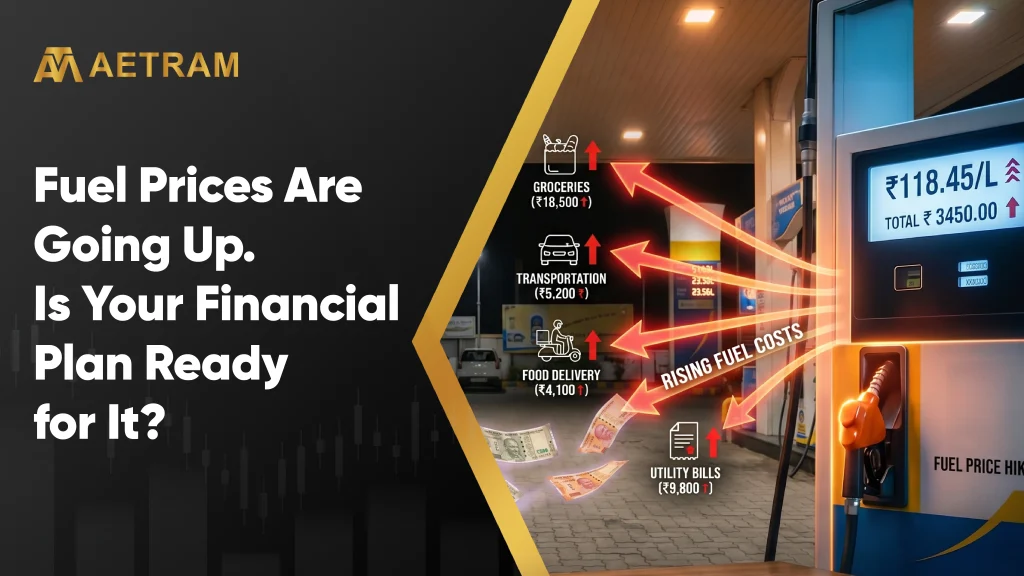
When fuel prices soar, the immediate thought process focuses on how much more we have to pay at the petrol pump. However, its effects extend further than that. Being an essential part of transport, logistics and manufacturing, fuel price hikes might hit most aspects of your monthly budget. Are you ready for it?
Fuel Price Increase and Its Implications
Apart from the increased costs associated with commutes, rising fuel prices could lead to inflation in other categories as well. For instance, food prices might go up, alongside other costs related to logistics and transportation of goods. In such cases, the increase in fuel prices translates into higher expenses for all of us.
How Higher Costs Impact Budgets
It might not be immediately obvious how a slight hike in fuel prices impacts you personally. Yet, when combined with other cost increases, it becomes clear quite quickly why our budgets are feeling squeezed. Indeed, many families have found themselves paying more for basic needs but saving and investing less.
Inflation Has No Patience
The cost of fuel is a major factor causing inflation. As the cost of everything goes up, the value of the currency you have decreases. In other words, the same amount of money will allow you to purchase less compared to what it would have allowed last year. In cases where your earnings don’t change and costs keep increasing, things become difficult to manage.
Review Your Budget
It is ideal to check the way you spend money during inflation periods. Identify expenses that can be cut out without impacting your lifestyle. Simple tweaks, such as avoiding unimportant subscription fees, curbing impulsive spending or simply planning out expenses, can make it easier to cope with increases in other areas.
Don’t Overlook Your Investments
During times of expense increase, a lot of individuals stop making investments to have some extra money available. Although this approach may help, it will negatively impact your ability to create financial security for yourself later on. Therefore, you should try to stay on track with your investments whenever possible.
Establish a Financial Buffer
Increased expenses emphasize the need to have emergency money in your account. This will enable you to deal with the unexpected without borrowing from banks or using credit card debt. Little by little, you can boost your financial buffer by making contributions to savings.
Prepare Yourself Financially as Costs Continue to Increase
You cannot do much to control fuel prices, but you can control your financial reaction. The increase in prices serves as a wake-up call to take care of your finances, not only through investments but by also preparing yourself for economic changes.
Connect with Aetram if you want to build a financial plan that can handle rising costs and economic uncertainty.
FAQs
1. How do fuel price increases affect my finances?
Higher fuel prices can increase transportation, grocery, delivery and overall living costs.
2. Why do rising fuel prices lead to inflation?
Fuel affects transportation and production costs, which can increase the prices of many goods and services.
3. Should I stop investing when expenses increase?
Not necessarily. Maintaining consistent investments can help support long-term financial goals and combat inflation.
4. How can I manage rising living costs?
Review your budget, reduce unnecessary expenses and continue building savings where possible.
5. Why is an emergency fund important during inflationary periods?
An emergency fund helps cover unexpected expenses without disrupting your finances or investments.