Why India’s Youth Are Betting Big on Sneakers Instead of Gold
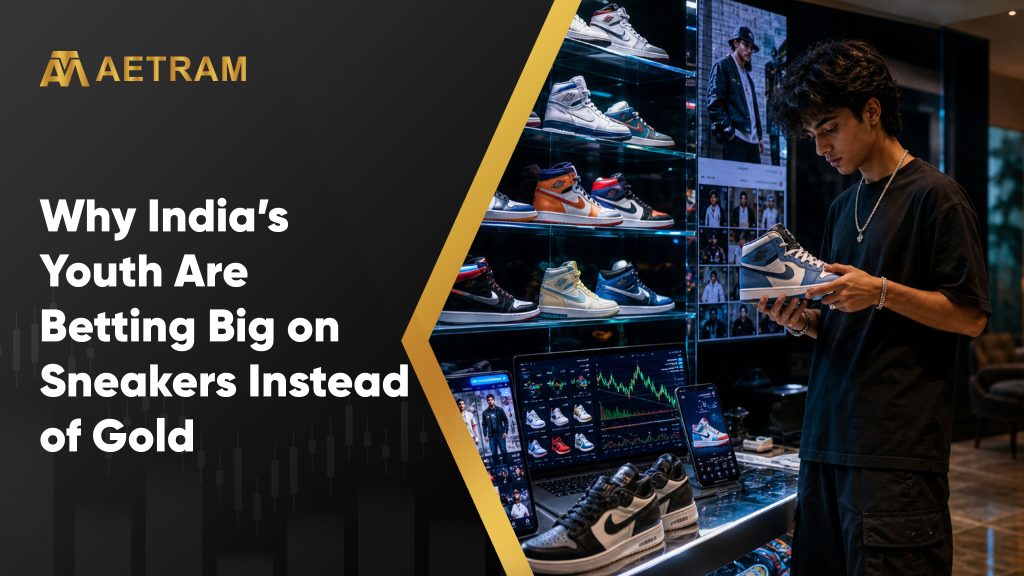
Walk into any urban centres like malls, movie theatres, café in India today and you will see a lot of Indian youths wearing sneakers and walking. This includes brands like Skechers, Nike, Adidas, Puma, ASICS, Jordans, Yeezys, New Balance pairs peeking out under tables. Sneakers are no longer just a footwear for the Indian youths especially Gen Z and millennials and they have become status symbols, cultural markers and also investment assets.
What was once a niche urban trend has exploded into a full-blown craze, especially among Gen Z and millennials. India’s sneaker market has been evolving for the past few years and it has come a long way from casual consumption to calculated investments, where every pair is not only evaluated based on its style, but for its resale value. It is estimated that the sneaker market in India will touch $6 billion by 2030.
This is not just a fad but a fundamental change in the way young Indians perceive wealth and assets. Traditional investments like gold and equities are now sharing space with unconventional assets like sneakers being one of the most sought-after commodities.
History of sneakers
Sneakers were not a luxury item and in the early 20th century they were just simple shoes made of rubber sole designed for sports. The real transformation began in the US during the 1980s when Michael Jordan, who was a basketball icon, collaborated with Nike and changed everything. The launch of Air Jordans turned sneakers into a cultural phenomenon.
Hip-hop artists, athletes, youths and sneakerheads gave a boost to the image of sneakers and made it popular among the consumers that resulted in sneakers turning into an identity symbol.
Further, launching of limited editions, collaborations with celebrities, branding through storytelling created FOMO (fear of missing out) and exclusivity for sneakers. People who bought and wore a rare pair of sneakers showed they had a unique taste, flaunted their status and also told the world that they belonged to a niche community.
Sneaker culture in India
India arrived late to the sneaker party but when it arrived, it came in with a bang. In the initial days, international brands like Nike, Adidas, Puma, etc. dominated metro cities. But the real boom began in the late 2010s with the rise of Instagram sneaker communities, streetwear culture driven by influencers, easier access to global drops via resellers and marketplaces and higher disposable income among the Indian urban youth.
So when sneakers started to become a fashion symbol, owning sneakers was not just about comfort but it was something like a cult status. Sneaker conventions, resale platforms, many local brands coming into the fray, dedicated Instagram pages, etc. created a thriving ecosystem. Wearing sneakers became localized culture with Indian creators and collectors adding their own spin and creativity.
Sneakers as an alternative investment
As the ecosystem started to thrive, there were people who looked at owning a sneaker like owning an asset. Gen Z and millennials started to treat sneakers like an asset and they started to invest in them. They started to source sneakers at a lower price and waited for the right time to sell it at a premium. Instead of putting their money only in gold or stocks, they started by diversifying into buying and selling sneakers for a quick profit.
- Scarcity drives value: Limited-edition drops ensure supply is always lower than demand
- Resale appreciation: A pair bought for ₹15,000 can be sold for ₹50,000 or more
- Global demand: Sneakers have international buyers, unlike many local assets
- Low entry barrier: Compared to real estate or stock market, sneakers market are accessible
For many young investors, sneakers feel more tangible and exciting than equities. They combine passion with profit and this is something traditional investments often lack.

Commodification of sneakers
Sneakers are often treated like valuable items and not just like any other footwear. It has become an investment avenue where collectors acquire and sell it for a premium.
Periodically limited-edition sneakers are launched creating urgency, scarcity and triggering FOMO among consumers and sneaker enthusiasts feel that they must act immediately before they become sold out.
Owning a pair can signal who you are, linking to a niche group or cool and fashionable lifestyle and this connection is amplified through social media. Every pair carries a story whether it is a collaboration or a designer’s inspiration or a legacy that spans years.
In fact, this dynamic mirrors how gold holds deep cultural and emotional value in India. But sneakers go a step further by blending tradition with modern identity and digital proof of status. In many ways, they have become valuable for a generation that seeks both self-expression and trust in what they own.
Role of Resale Platforms
Any sneaker enthusiast or sneakerhead must understand that without resale markets, the sneaker investment boom would not have happened. Instagram and platform resellers have established a market for sneakers and they have transformed sneakers from fashion items into assets which can be owned and sold when the price appreciates.
Pricing dynamics are now shaped by several factors like exclusivity and creating scarcity during the time of launch of limited-editions, collaboration with an already well-established brand, endorsements by high-profile celebrities and the physical condition of the shoes ranging from pristine “deadstock” to gently used pairs.
In some cases, certain sneakers brands are tracked similar to any other financial assets, where price appreciation is monitored over a period of time. As a result, collectors have adopted a long-term strategy, holding specific pairs for months or even years which would lead to them waiting for optimal market conditions to maximize their returns. This shift has redefined how sneakers are valued, turning them into both cultural symbols and investment assets.
Risks associated with investing in sneakers
Although there were benefits associated with trading in sneakers, this also had its set of risks like investing in the stock market. The prices of sneakers fluctuated as trends changed faster and today’s sneakers in the market would become a fad a few months down the lane. The cost of holding on unsold inventory became expensive.
As sneakers became popular, many started to produce fake and low-quality sneakers and flood the market. Problems with genuineness of the sneaker rose and counterfeit products caused serious problems to the genuine brands.
Like any retail market, the sneakers market lacked transparency when it came to pricing a product of the same quality and the market is still, even now, driven by sentiments, current trends as well as supply and demand.
Conclusion
So, are sneakers a good investment? Sneakers may be a profitable investment but they are not a reliable one. If you understand the culture, retail business , track trends and have access to exclusive drops, you can generate returns.
However, this is closer to speculative trading than traditional investing and it may end up like the tulip mania of the 17th century. For many people collecting or investing in sneakers is led by their interest and passion and not because of intrinsic value. They enjoy owning them and they get the added bonus of potential price appreciation.
If you want long-term security and financial stability then allocating your money between stocks, bonds, gold along with some trading in sneakers would work. Sneakers can be an exciting addition to your portfolio and you can be a part of a niche community by staying culturally relevant. Just don’t treat them as a guaranteed one-way path to wealth.