Spending Too Much Online Without Realising It?
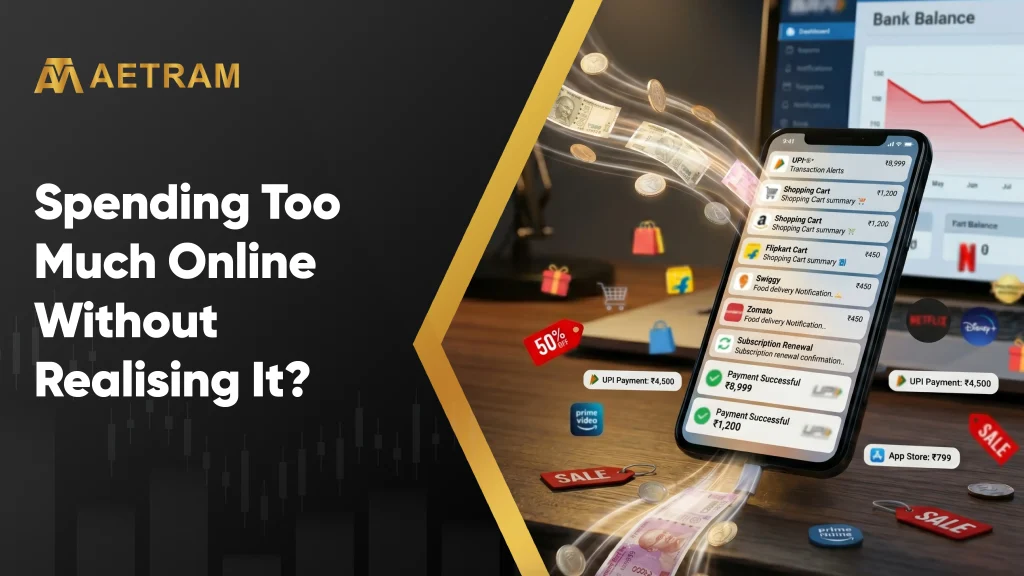
Shopping on the internet is incredibly convenient; a single click allows you to buy almost everything from groceries to clothing, gadgets and even food. However, online spending is notorious for draining people’s budgets, making them spend much more money than intended. Perhaps, this is one of the reasons why many people regularly wonder what happens to their money after viewing their bank statements.
Why Shopping Online Differs
As opposed to traditional shopping in physical stores, online purchases do not entail a direct exchange of goods for money. Payments occur instantaneously, using cards, UPI systems or wallet payments. Since the process is automatic and painless, people find it harder to grasp the extent of financial transactions. Even small purchases tend to accumulate quickly.
Convenience Is a Major Pitfall
Convenience lies at the core of online commerce; various features aimed at easing the purchase process are offered on online platforms. One-click purchases, flash sales, limited offers and recommendations make customers indulge themselves with products they do not necessarily need.
Small Costs Have Big Impacts
One cup of coffee ordered, one product subscription subscribed, a few products purchased at a discount during a sale—these small amounts alone don’t matter much. But after a while, such expenses will take up most of your monthly budget. Not every purchase is a big-ticket item, but there are dozens of little ones we tend to forget about.
Emotional Spree Buying Is a Typical Problem
Online shopping, in particular, becomes a way to occupy one’s mind when it’s bored, stressed out or in need of a quick fix. Buying things and getting deliveries brings instant satisfaction. Yet, more often than not, emotions lead to impulsive purchases.
How to Get Your Finances Back Under Control?
First of all, be aware of your habits. Check your financial history on a regular basis and track where you spend your money. Setting a budget for your month and limiting your extra purchases might also prove effective. Think whether something you want to buy is really necessary or just your latest whim. If you think so, give yourself 24 hours before completing the purchase.
Keep in Mind Your Financial Goals
Each rupee that you spend online is a rupee that could have been saved, invested, used for travel or anything else financially wise. However, this does not necessarily imply that you refrain from indulging yourself in any purchases that you wish to make online. It all boils down to finding a balance between enjoying your money now and securing your financial future.
Spend With Purpose, Not Spur
Internet shopping can easily chip away at your money without your realizing how because it is convenient and, in most cases, done out of emotion. However, while some purchases are expected, excessive spending can hamper your capability to save and invest. You must be mindful of your actions to avoid being a slave to your online spending.
Connect with Aetram if you want to build healthier money habits and take control of your finances
FAQs
1. Why do I spend more money online than in stores?
Online payments feel less tangible than cash, making it easier to spend without noticing the total amount.
2. How can I control impulse online shopping?
Try waiting 24 hours before making non-essential purchases and stick to a monthly spending budget.
3. Are small online purchases really a problem?
Individually they may seem harmless, but frequent small purchases can add up to a significant amount over time.
4. How can I track my online spending?
Regularly review your bank statements, UPI transactions and shopping app purchase history.
5. What is the best way to reduce unnecessary online expenses?
Set spending limits, avoid browsing shopping apps out of boredom and focus on your long-term financial goals before making a purchase.