Short-Term Investment vs Long-Term Investment
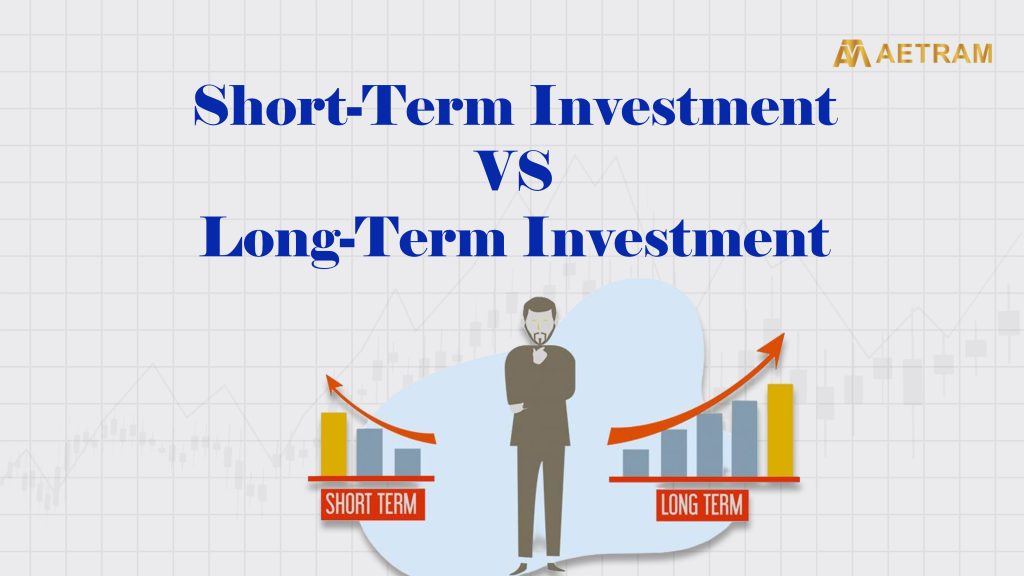
Once you begin to invest, the very first thing you need to decide upon is for how long you want to invest your money. Some goals are nearby, while others are quite far. This is where the short-term and long-term investments come into the picture. Both serve different purposes and understanding the difference will help you plan your finances better.
What are short-term investments?
The periods for which the requirement of these funds is within a few years, usually up to three years or lesser. An investment in such instruments would be selected when one intends to keep the money safe and liquid. Here, the most prominent aspect is not high returns but stability and quick access.
People generally go for short-term investments whenever they are saving for an emergency fund, a vacation or to buy a gadget or some expense that is due shortly. The time period being short, there is hardly any room for recovery in case of losses. That is why such options tend to have lower risks with lower returns. While the growth may be limited, they help protect your money and give peace of mind.
What are long-term investments?
Long-term investments are made for long-term goals usually five or more years away. Examples include retirement plans, buying a house in the long run and generating wealth over time. The larger the time horizon, the longer your money has to grow.
The power of compounding constitutes one of the biggest advantages of long-term investing. As time goes on, your original money grows and the returns earned begin to generate returns of their own. Even though markets may rise and fall in the short run, usually long-term investors have the patience to ride out these fluctuations and profit from overall growth in the long run.
How Risk and Returns Differ?
The most noticeable difference that exists between short term and long term investment is the concept of risk and return. It is a fact that short term investment carries lesser risk but it also yields a relatively low return.
On the flip side, long-term investments may fluctuate more on a short-term basis because the price may go up and down. But on a long-term basis, the fluctuation may stabilize and there may be good returns on investments. These investments are good for those investment goals that do not require you to access funds immediately.
Making a Choice Based on Your Goals
Which one to choose will depend on what you are investing in. If you know you will be needing the money soon, short-term investments make more sense because they reduce the risk of sudden losses. If your goal is far into the future, long-term investments allow your money to grow steadily over time.
Most people commit the mistake of investing long-term money for short-term needs and are stressed if markets fall at the wrong time. Matching the type of investment to the right goal avoids this problem.
Why a Balance Works Best
Mostly, a good financial plan includes both short-term and long-term investments. While short-term investments take care of immediate needs and emergencies, long-term investments focus on creation of wealth and future security. Together, they help you stay financially prepared for today while building for tomorrow.
Understanding the difference between short-term and long-term investments makes it easier to make decisions on how to handle your money wisely and confidently closer to reaching your financial goals. If you’re looking for guidance to choose investments based on your goals and timeline, explore Aetram.