Financial Habits to Build Before Turning 30

This is usually a decade in which one grows in their career, experiences things and has major life achievements. It would be easy to only think about working hard and making money but this is also a good period during which you can set yourself up for the rest of your life financially speaking.
Living Below Your Means
With increased income comes a tendency of wanting to spend more since you feel like you have money to burn. This is okay but you don’t want each increase in your salary translate into increasing your expenditure.
Emergency Savings
You never know when things will happen so it is always important to have some savings for emergency purposes. You never know when you will require funds for unforeseen circumstances.
Start Investing Early
There are several benefits of making investments while in your 20s including having enough time. Small amounts of money saved can work magic through the process of compounding over time. It would be prudent not to wait to get a big salary before starting to invest.
The Power of Compounding
Through compounding, your investments will make money for you, which in turn makes money for you. And even modest amounts of investment, done regularly, can result in a sizeable corpus after some years. For instance, if you invest ₹5,000 each month starting at 25, it gives you many more years for your investments to grow than investing at 35. This is because you have many more years to accumulate the corpus.
Avoid Unnecessary Debt
In some instances, loans might be unavoidable but one should never borrow for purposes that do not require money. The question is to determine whether the expenditure is necessary and whether the loan will fit into your monthly payments.
Track Your Spending
Most individuals know their monthly income but not their monthly expenditures. Recording all the expenditures will help one to find out areas where money can be saved and used more efficiently. A budget will go a long way in making a change in one’s finance.
Adhere to a Simple Budget Plan
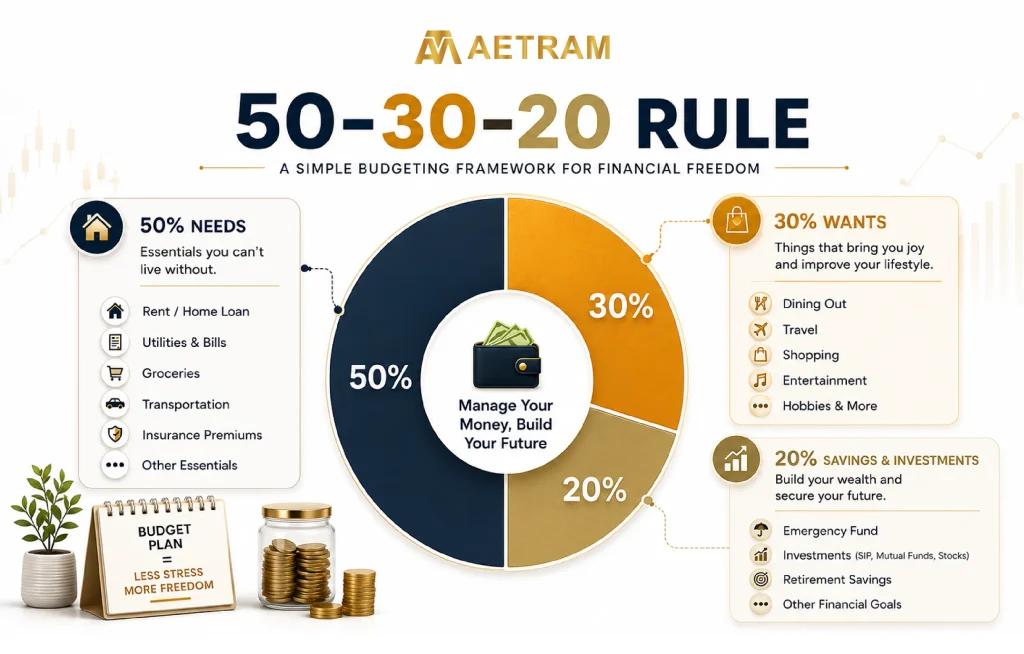
One good budget plan would be the following:
- 50% for essential spending, e.g. on rent, food, utility bills, etc.
- 30% for discretionary spending, i.e. dining out, recreation, shopping.
- 20% for savings and investments.
Such a strategy ensures one has enough money to enjoy life and save at the same time.
Get Insurance Coverage
Getting health insurance and/or life insurance covers will ensure that one is protected in the case of any unforeseen financial loss. Insurance doesn’t make any investment. It protects one’s savings and makes one financially secure.
Learn More About Money
Financial skills last an entire lifetime. The more you know about personal finance, the easier it will be for you to make the right choices. Small increases in your financial literacy might mean big improvements later.
Financial Tasks to be Completed Before Turning 30
The following list contains some tasks which one needs to complete before turning 30:
- Develop an emergency fund equal to 3-6 months’ worth of expenses.
- Invest money using SIPs or any other investment method.
- Acquire health insurance and, if required, life insurance.
- Stay away from high-interest loans and pay off the credit card bills on time.
- Keep a record of monthly expenses and manage them using an effective budget.
- Save more money whenever there is an increase in income.
Develop Good Habits to Gain Wealth
Becoming 30 is not necessarily an age when you should take care of your finances. However, good habits that you develop prior to this age can influence your financial life later on.
Connect with Aetram for more practical financial insights and smart investment strategies to help you achieve your long-term goals.
FAQs
1. Why are your 20s important for financial planning?
Starting early gives your savings and investments more time to grow through compounding.
2. How much should I save before turning 30?
The amount varies for everyone, but building an emergency fund and saving consistently are good starting points.
3. Should I start investing even with a small salary?
Yes. In esting regularly, even with small amounts, helps build discipline and long-term wealth.
4. Why is tracking expenses important?
It helps you identify unnecessary spending and manage your money more effectively.
5. What’s the most important financial habit before turning 30?
Developing consistency whether in saving, investing, budgeting or avoiding unnecessary debt is one of the most valuable habits you can build.