Emergency Fund vs. Investing
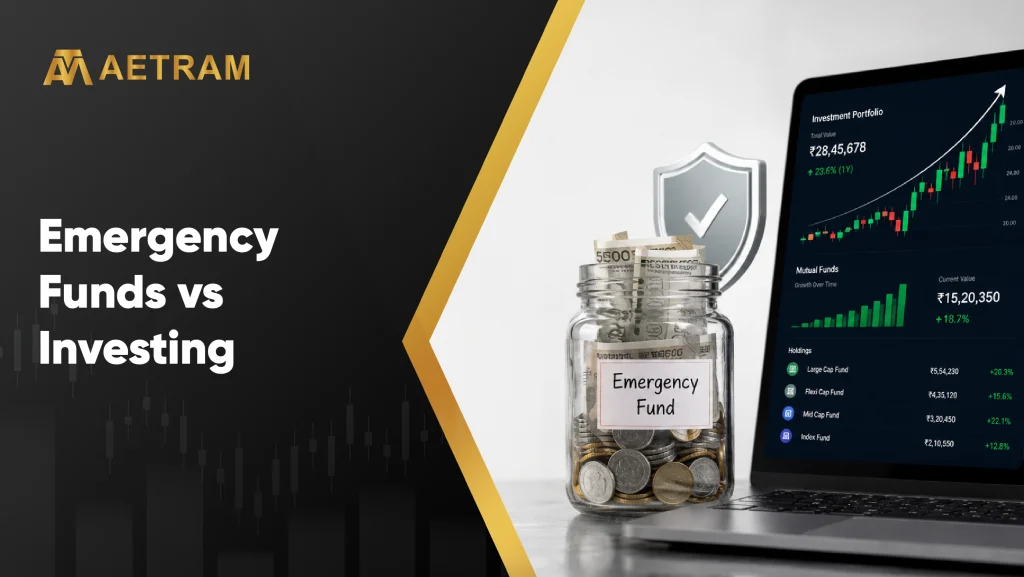
Building up an emergency fund or directly starting to invest: this is the first question a person asks when he starts making financial plans. While both are important, knowing which one to start with will help you manage your money confidently and avoid stress later.
Why an Emergency Fund Should Come First
An Emergency Fund acts as a safety cushion when life suddenly takes an entirely different turn. Sudden medical needs, job loss, urgent home repairs or any surprise expense may pop up without warning. In such moments, money kept aside helps you stay stable instead of rushing into loans or breaking your investments early.
You may end up, without an emergency fund, withdrawing from long-term investments at the worst possible time resulting in significant losses. That’s why this fund is not about earning big returns. It is just about having peace of mind and ensuring you don’t disturb your financial plans when life gets unpredictable.
How Much Should You Save?
Most people start by saving three to six months of their essential monthly expenses. These are the costs you cannot avoid rent, groceries, travel, utilities, medical needs and EMIs. But with jobs becoming more uncertain and expenses rising, saving six to nine months of expenses offers even stronger protection. This larger cushion helps especially if your income isn’t fixed every month or if you have a family depending on you.
Where to Keep Your Emergency Fund?
Your emergency fund serves its purpose best if it is invested in a safe and accessible location. It must be liquid at the very moment you need it, which implies it should not be tied up in volatile or long-term options. A savings account, a sweep-in fixed deposit or a liquid mutual fund is ideal spots. These keep your money stable and ready without exposing it to market fluctuations.
Why Investing Should Come After the Fund Is Ready?
One of the surest ways to build long-term wealth is through investing. Investing will help you achieve goals, such as buying a house, retirement planning or even financial freedom. However, investments can fluctuate based on the conditions of the market. If you start investing before creating your emergency fund, then you could be forced to sell the same during market downturns if you urgently needed the money. This interrupts your progress and may even result in losses.
Once your emergency fund is set, your investments can grow without disturbance. You can stay invested for the long run, knowing that your basic financial safety is already taken care of.
Protect First, Grow Next
Building an emergency fund before investing lays a very strong foundation for your financial journey. It keeps you protected from sudden shocks and helps you avoid making decisions based on panic. Once your safety net is in place, investment will be much smoother and confident as your long-term goals will not be threatened due to sudden expenses. Because a solid emergency fund gives you the peace of mind to invest wisely and build your wealth without fear.
When you’re ready to invest, Aetram, a trusted stockbroker platform helps you invest with confidence and clarity.
Frequently Asked Questions:
1. Why is an emergency fund more important than starting investments?
An emergency fund protects you from unexpected expenses like medical bills or job loss. Without it, you may be forced to break your investments at a loss. This is why building a financial cushion comes before investing.
2. How much money should I keep in my emergency fund?
Most experts suggest saving at least 3–6 months of essential expenses. If your income is unstable or you have dependents saving 6–9 months is safer.
3. Where should I store my emergency fund?
It should be kept in safe and easily accessible places such as a savings account, sweep-in fixed deposit or liquid mutual fund. These options keep the money ready for immediate use without market risk.
4. Can I start investing while building my emergency fund?
Yes, you can but only if essential savings are already in place. Your emergency fund should be the main focus. Light or low-risk investing can happen alongside but not at the cost of your safety cushion.
5. What happens if I skip building an emergency fund and invest directly?
You may end up withdrawing investments during emergencies, especially when markets are down. This can cause losses, break long-term plans and increase financial stress.